
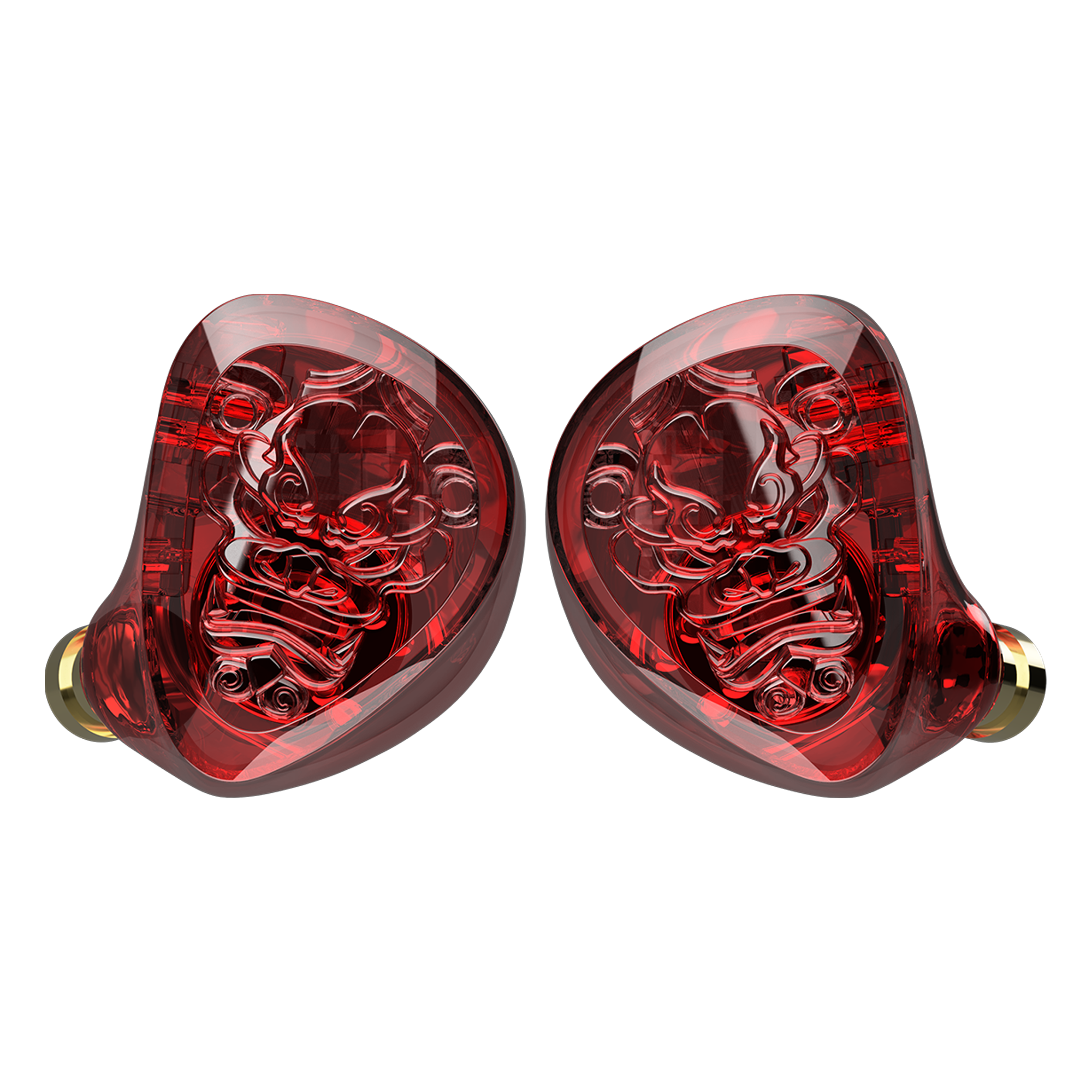
Tangzu Wan'er SG 2 Red Lion
Good if you want bass. The upper-midrange and treble can be a bit grainy sounding and it comes accompanied by a pretty cheap build, though.
My personal picks from sub-$50 to unlimited-budget flagships. These are recommendations based on listening experience, not simply the highest-scoring entries on the ranking list.
Don’t delude yourself into thinking you’re getting good sound. But we’re also past the dark ages of 5–6 years ago when manufacturers were shooting in the dark. Most modern sub-$50 IEMs sound decent, albeit pretty similar, and there’s not much point in overthinking your purchase at this price.
Good if you want bass. The upper-midrange and treble can be a bit grainy sounding and it comes accompanied by a pretty cheap build, though.
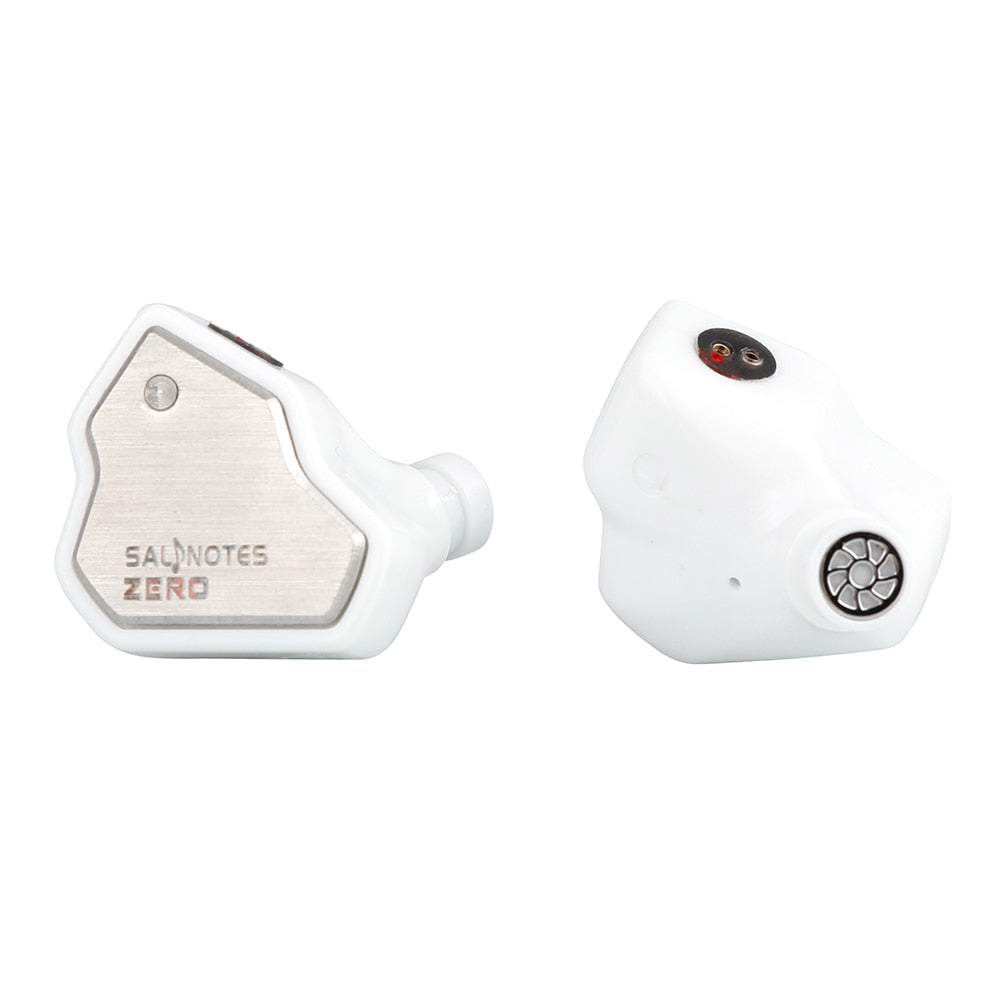
A reliable option in the Zero family. The OG Zero has the most neutral presentation of the Zero IEMs, with a slight bass boost.
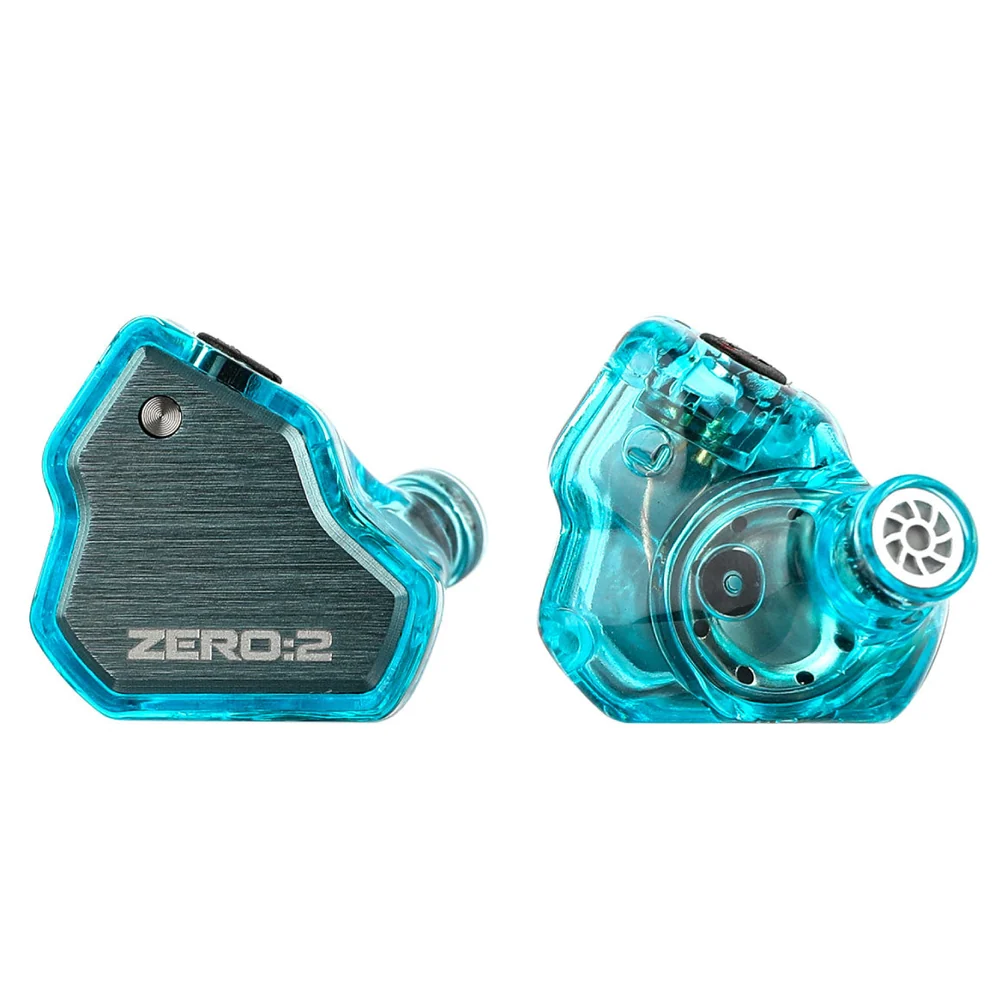
My favorite of the Zero 1/2/3 family because it’s the warmest and bassiest.
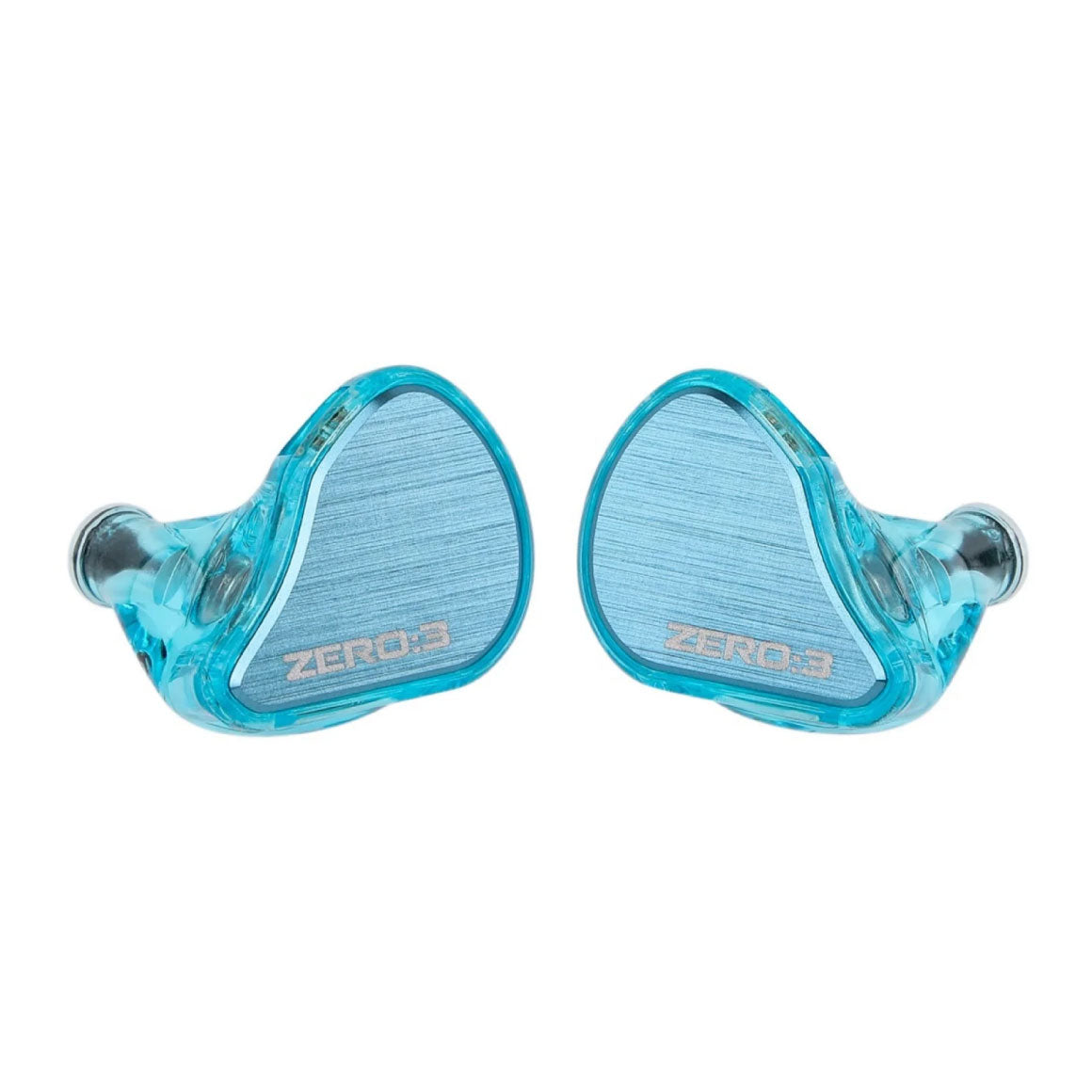
The Zero 3 has the most V-shaped presentation of the Zero IEMs, with the most bass, potentially shouty upper-mids, but the most fun sound. It also has the best accessories and fit.
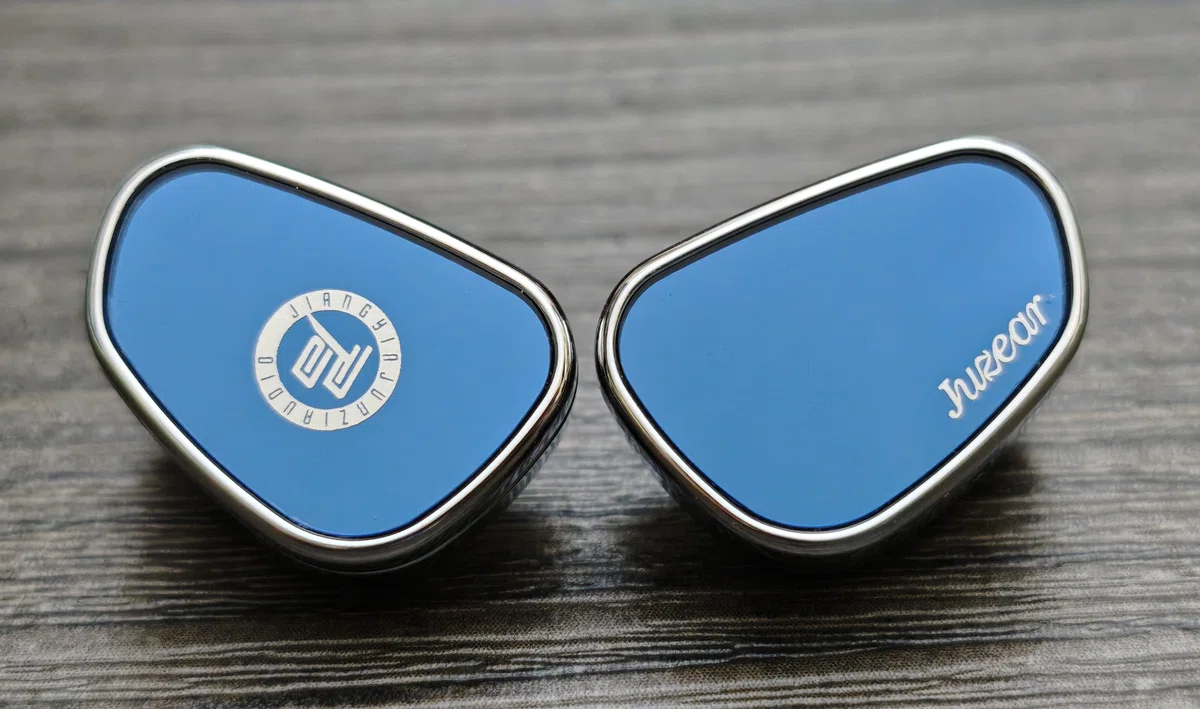
Might be my top pick under $50. Tried-and-true sound signature inspired by single DDs of old like the Moondrop IEMs, with slightly better treble resonance control, and paired with a nice metal build.

Well-executed Harman-style tuning and metal shells. Don’t buy the Chu III, though; it’s very far removed from these other two IEMs and I wouldn’t recommend it personally.

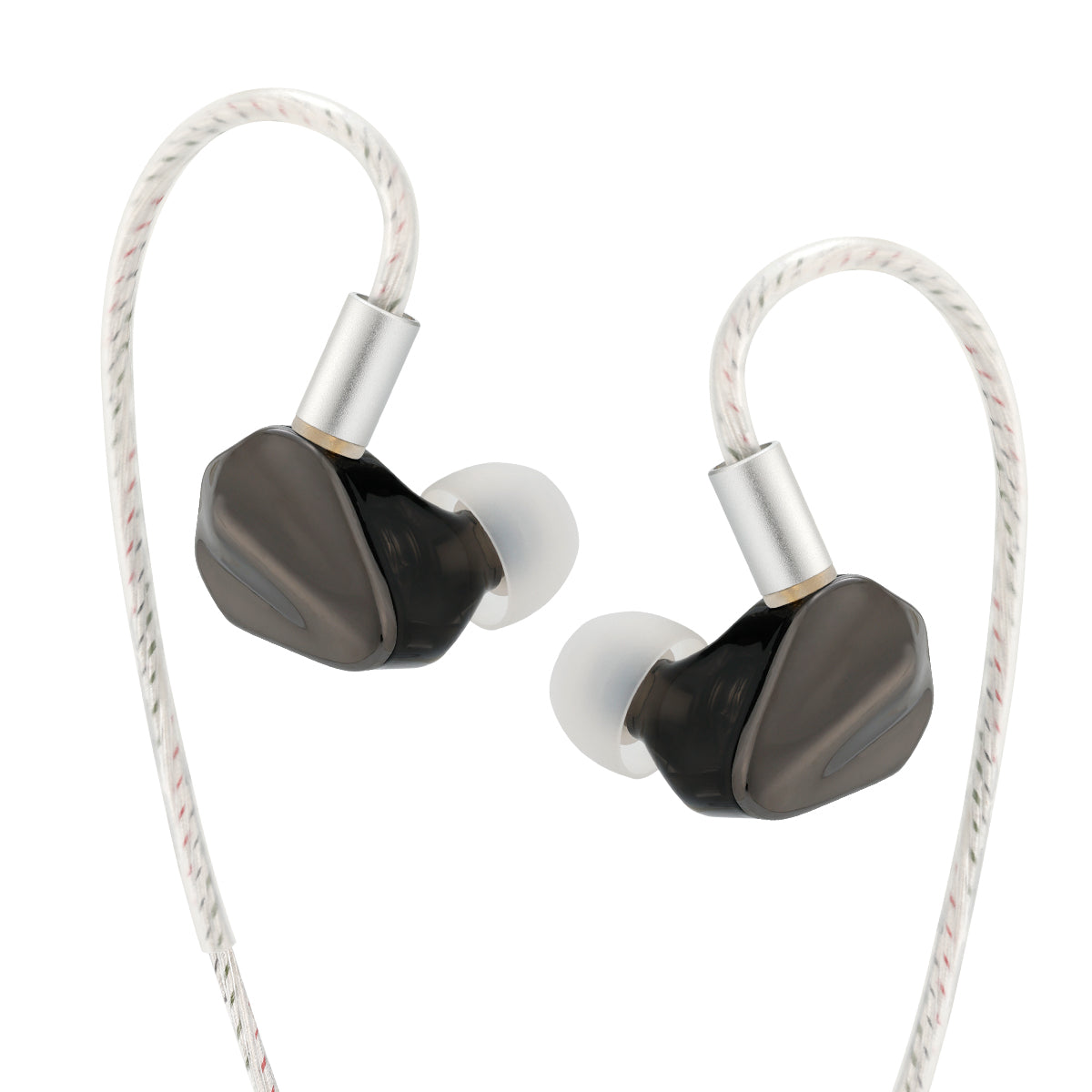
Honorable mention. I haven’t personally heard it, but it looks pretty decent based on squigs.
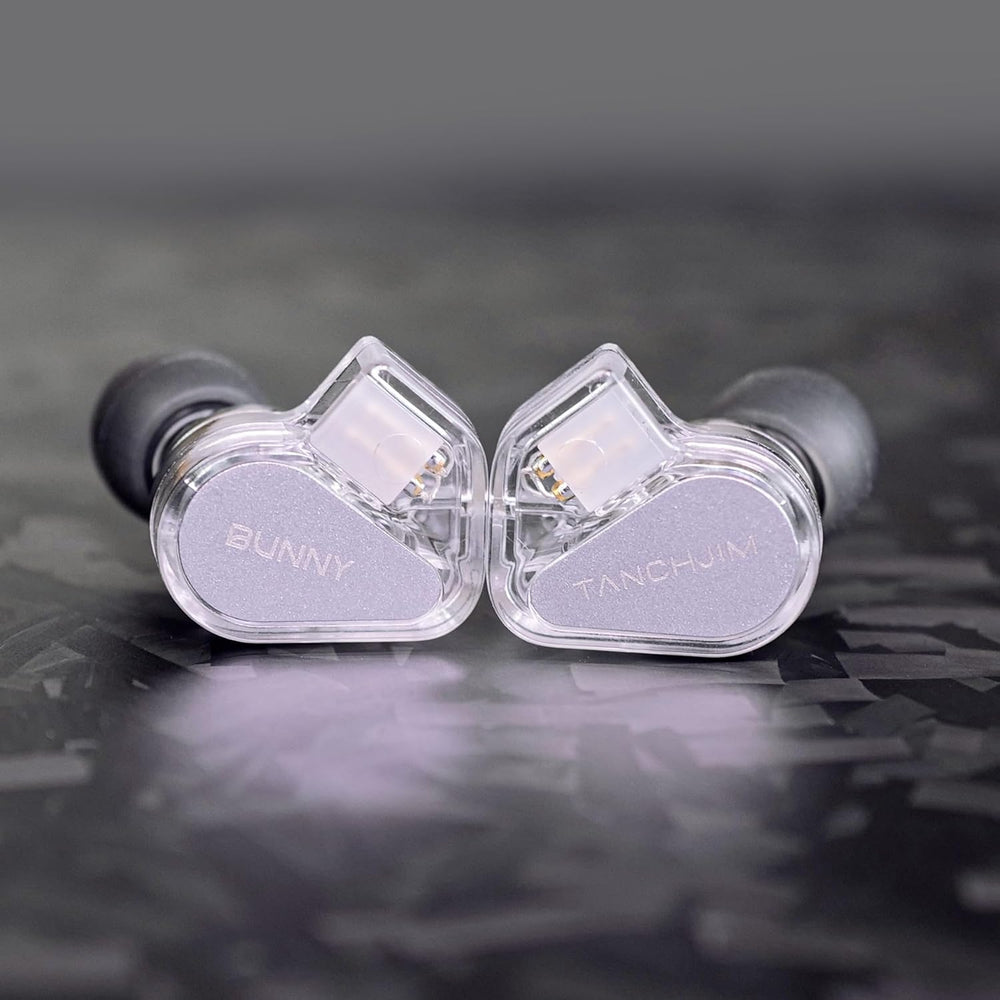
Honorable mention. I haven’t personally heard it, but it looks pretty decent based on squigs.
At this price point, you're still getting the short end of the stick: IEMs that do most things right but remain flawed or rough around the edges in some way. You're looking for something that makes the fewest mistakes.
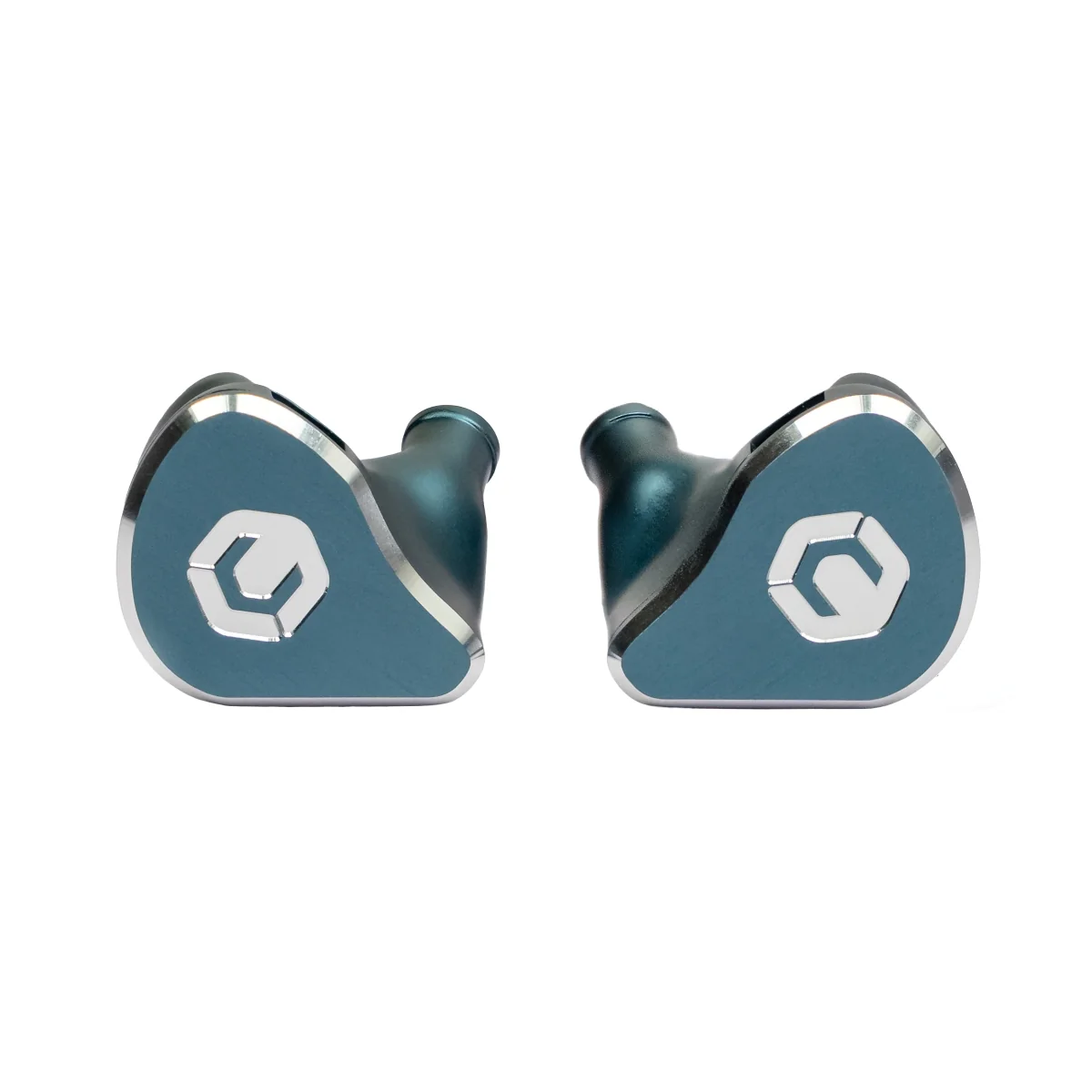
Great if you want something JM-1-inspired with a very safe, agreeable tuning, albeit with limited technical performance.

A more unorthodox option with an energetic sound signature and great treble extension. Compared with the original, the Game Fidelity edition is slightly warmer because it has less upper-treble energy.
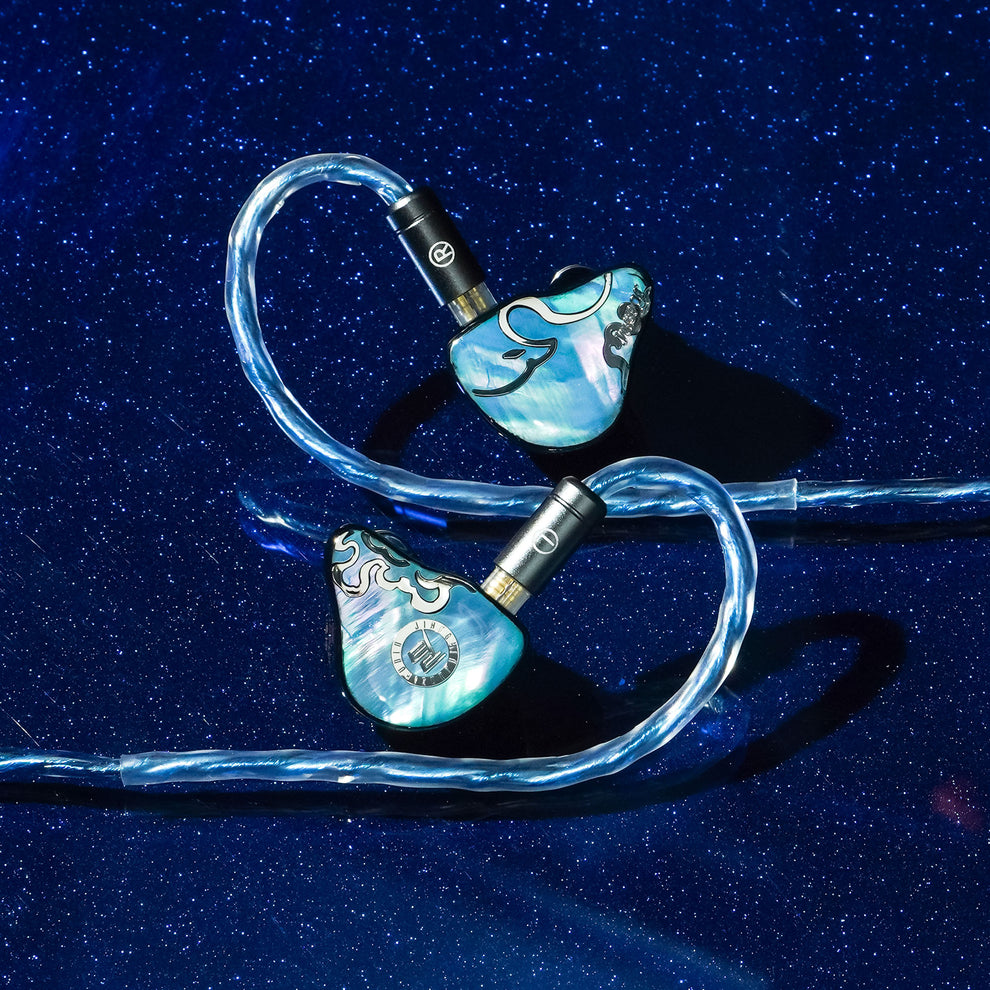
A warmer variation of the energetic Juzear Defiant, with slightly reduced upper-treble while retaining the great treble extension of the original.

This is basically a lower-resolution Moondrop Blessing 2, an IEM that was touted as something of a giant killer in 2021. While the Blessing 2 has lost relevance, that sound is still absolutely relevant at an $80 price tag. It's hard to discuss the Hexa without mentioning its successor, the Truthear Pure. Personally, I'd take the Hexa over the Pure, which sounds incredibly sleepy to me, much like the AFUL Explorer. Those alternatives might suit you if you want something extremely forgiving and listen at loud volumes.

Excellent Harman-style tuning with convenient USB-C integration, assuming you can still find one for sale. This would have been my personal pick under $100, and I think it was highly underrated. Shenzhen Audio sent me a set, I left it unopened for about a year, and then regretted not listening to it sooner.
Okay, here's where things actually start getting good—if you pick the right IEMs.
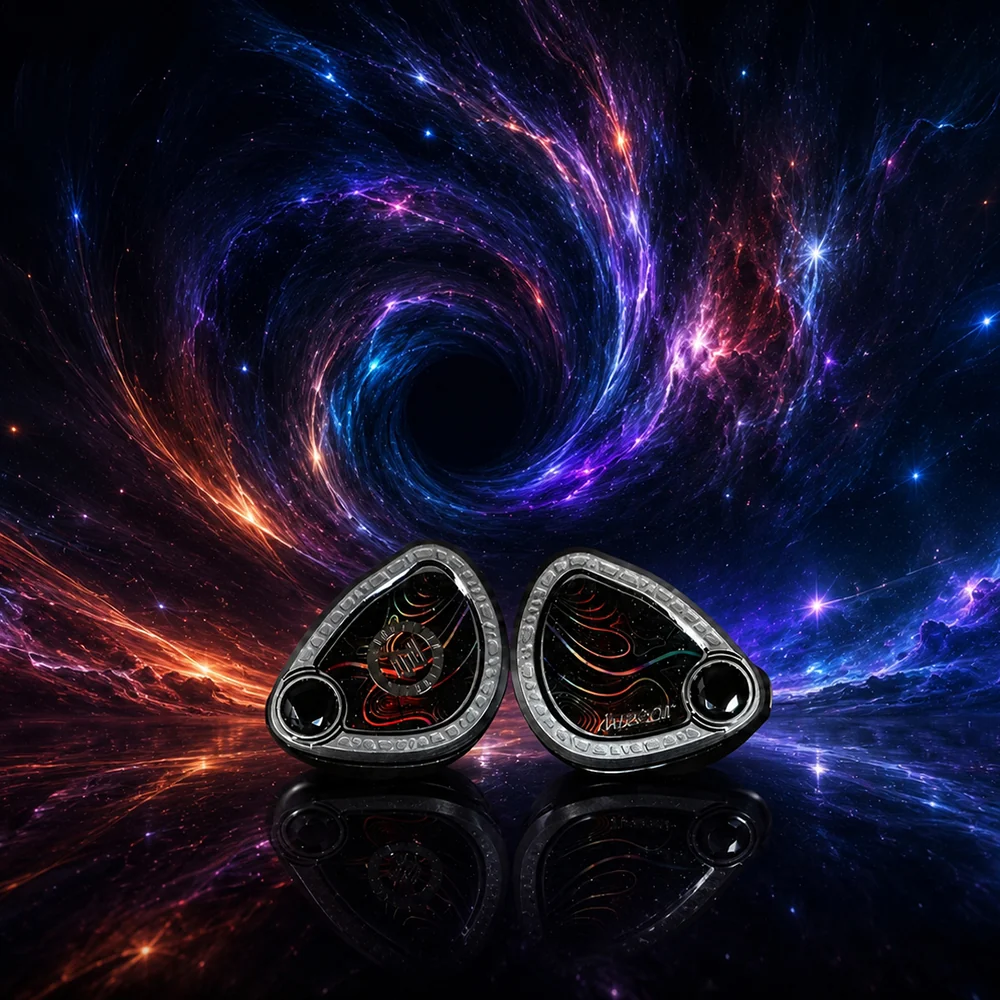
My pick for the best overall package under $200. Think of it as a warmer, significantly cheaper Softears RSV—the IEM that predicted today's JM-1 tuning trend. In my opinion, the Light Shuttle is the best JM-1 IEM on the market and largely clears alternatives like the CrinEar Daybreak, NICEHCK Rockies, Mega5EST, and Kiwi Ears KE4, though you might prefer those if you want less bass. I'd buy this one with my own money.

A great option if you want something reminiscent of the YU9 Que at a lower price. The Resonance 5 is clearly inspired by the AFUL Performer 5+2 to some degree, but it addresses the intensity I hear around 5kHz on the Performer 5+2. The AFUL is still worth considering if you prioritize accessories.
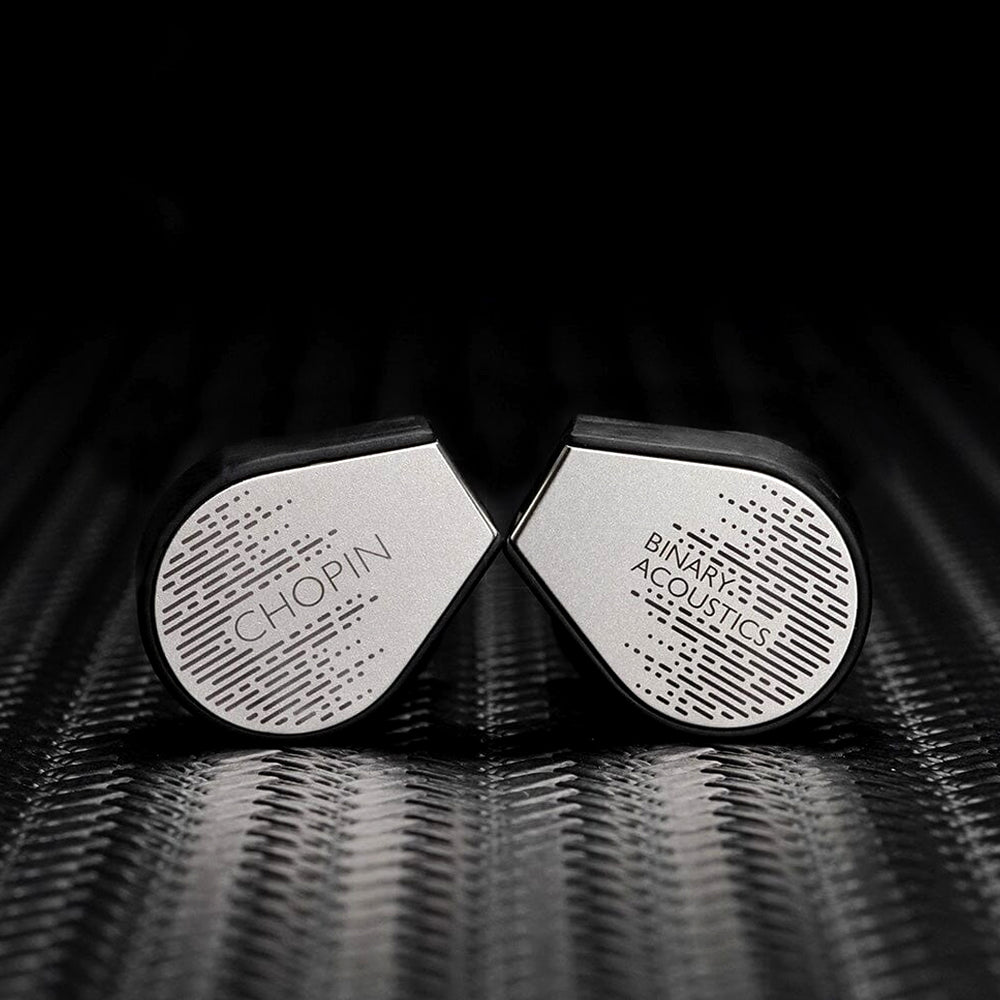
My recommendation if you want a Harman-tuned IEM.
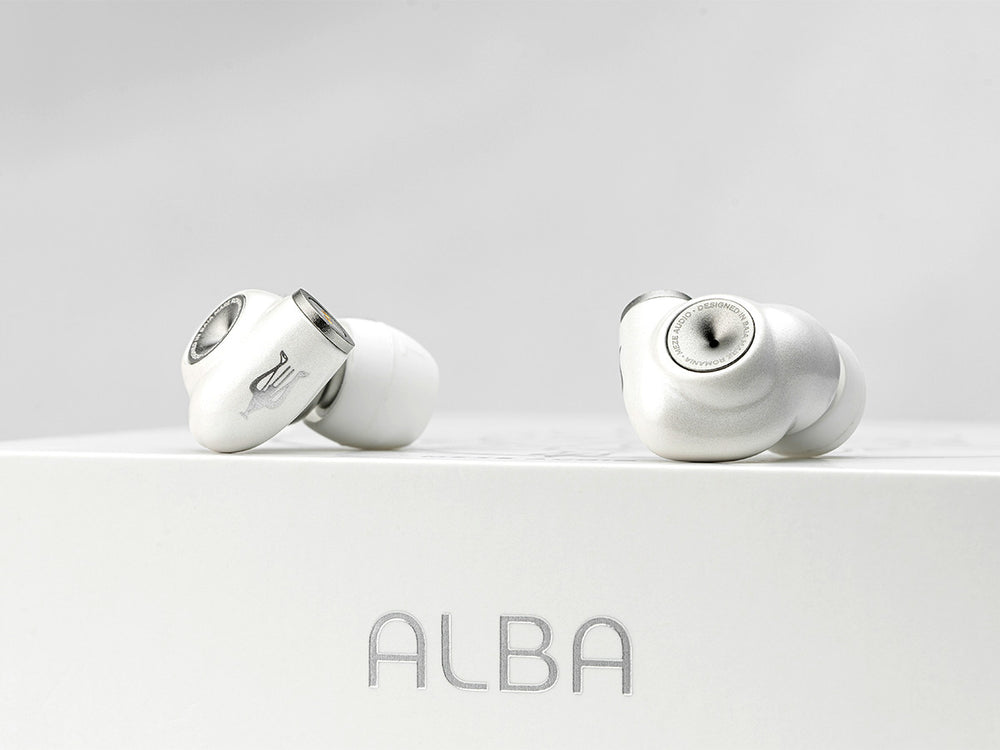
Worth considering if you're committed to the single dynamic-driver dream and want strong technical performance. Just be aware of some tonal quirks: this IEM can be bright, and it benefits from tip swapping.
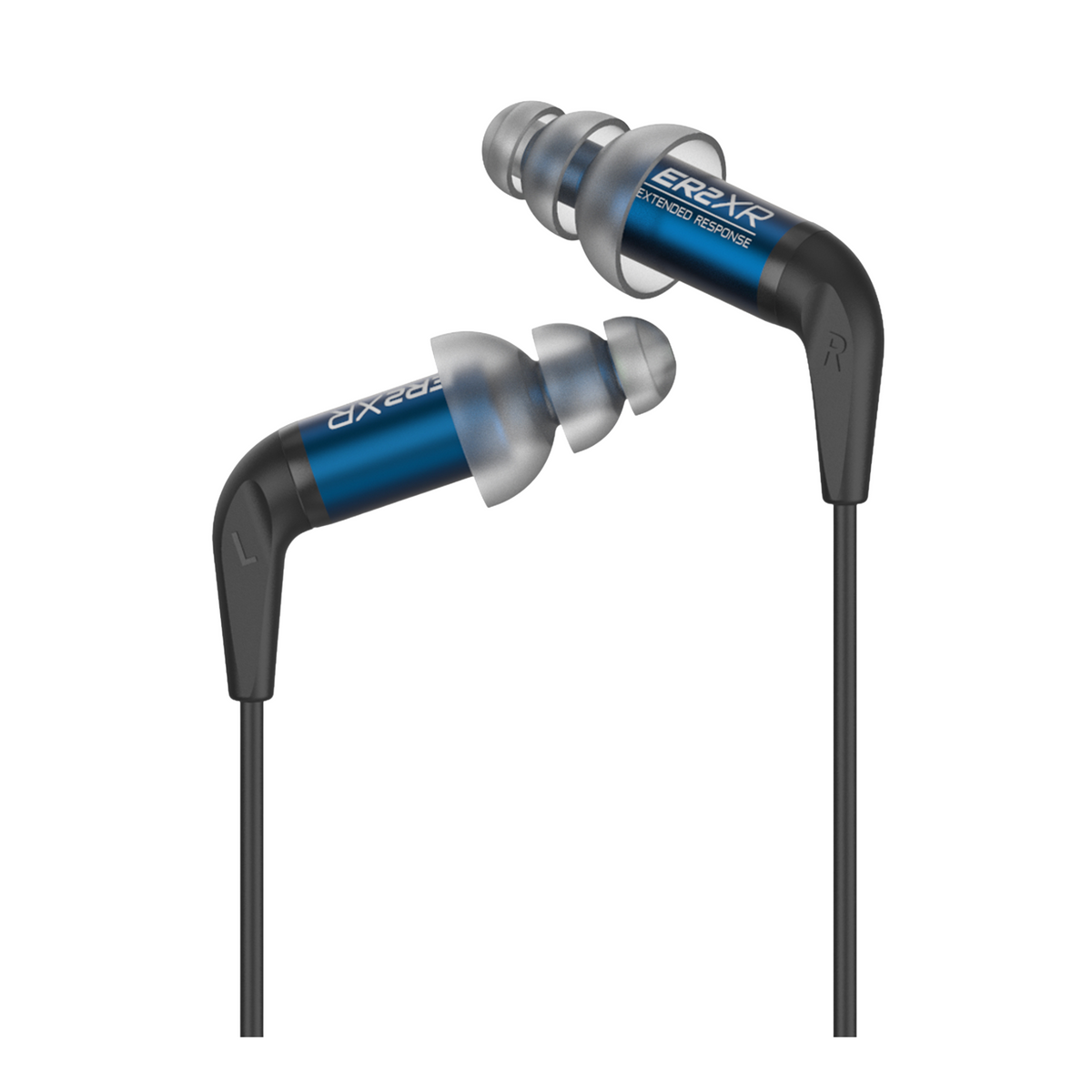
I would say this is relevant simply because of the unique form factor and the next-level isolation. You can even use them for hearing protection when shooting firearms. Worth it at around $100 and still has competitive sound quality for that price, less so at $150-200 these days.

See everything about the ER2XR, just with reduced bass amplitude.
$500's the new $1,000. I wouldn't have believed it just a year ago, but some of these newer IEMs come scarily close to sound quality that previously required flagships, and I wouldn't mind daily-driving them. If you're serious about portable audio and can stretch your budget, I think this is currently the sweet spot for price to performance.
My best overall pick in this bracket, especially if you want flagship-style tuning without the flagship price tag. Its sound draws inspiration from heavyweights like the 64 Audio U12t, qdc Anole VX, and Elysian Annihilator, meshing their tunings into a cohesive whole. It doesn't quite match those IEMs for raw technicalities, but it's not far off.

Great for listeners who prioritize slammy dynamics, airy treble extension, and a crisp, in-your-face sound. In some ways, I hear it as a scaled-back, baby Elysian Annihilator.
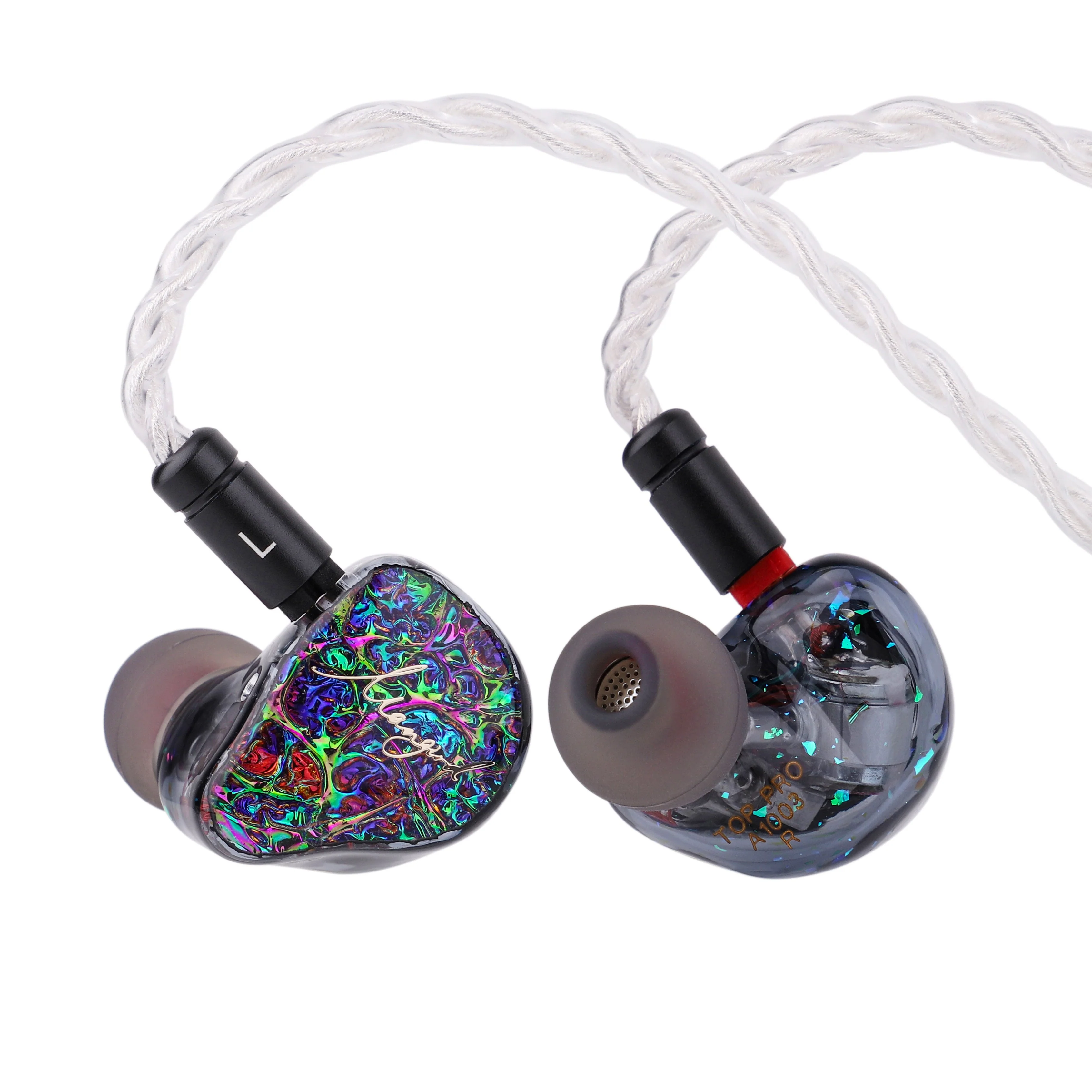
The most technically capable of the three, with the strongest sense of detail and separation. Choose the Top Pro if maximum technical performance is your priority rather than the softer, more forgiving presentation of the Tea Pro models.
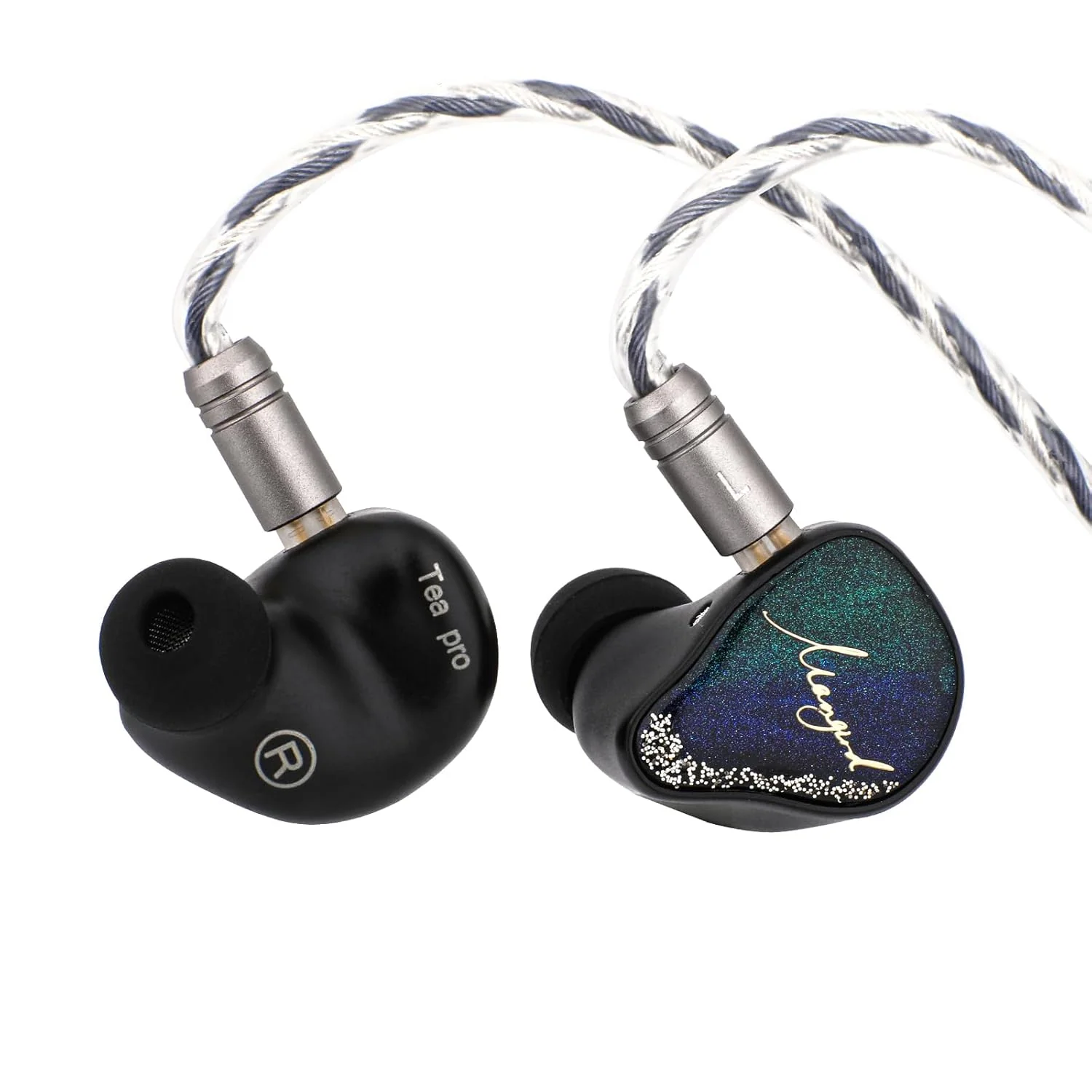
The smoothest and most forgiving of the trio, with a pleasant, easygoing tuning that makes it a great all-rounder. Compared with the Top Pro, it trades some technical performance for a more relaxed sound.
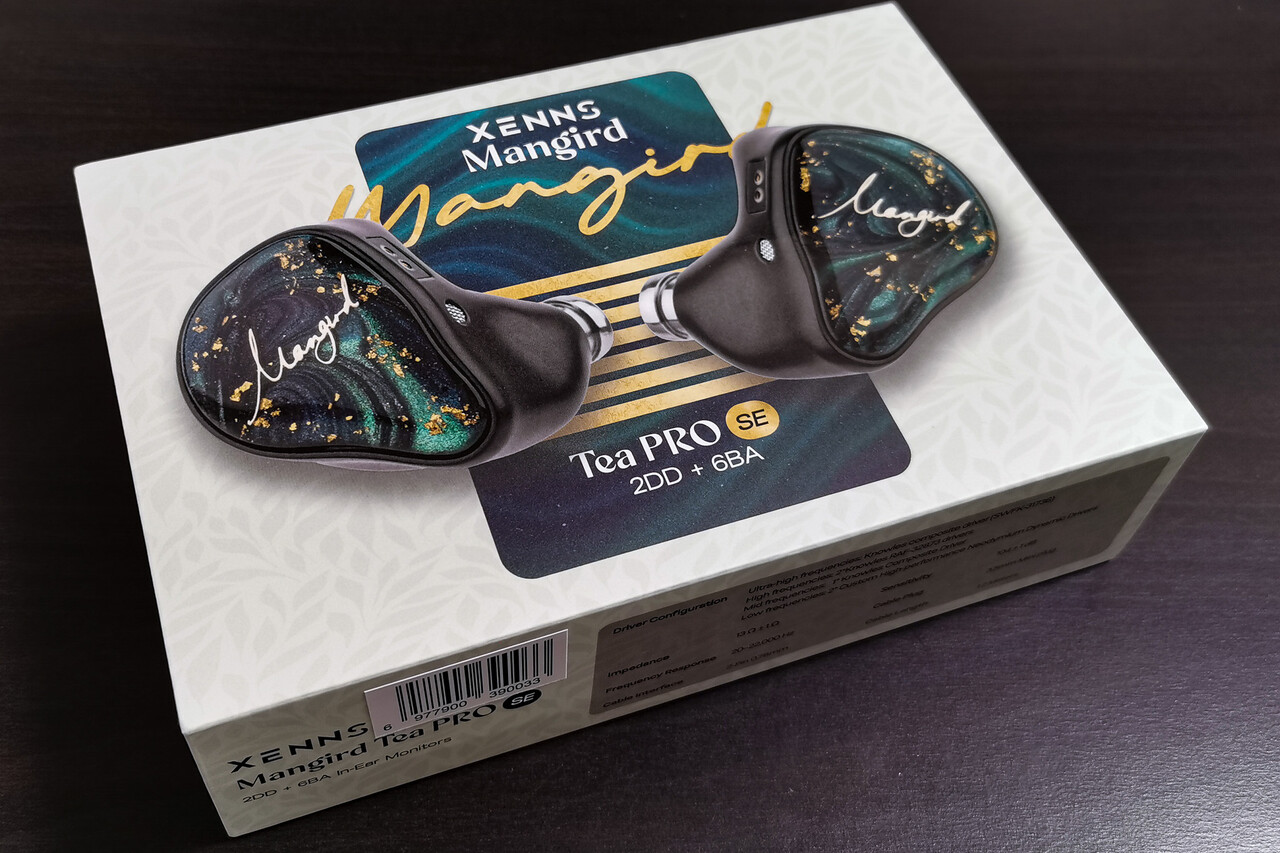
A variation on the Tea Pro that adds a little more upper-treble energy and sparkle. It retains much of the Tea Pro's approachable tuning, making the two fairly interchangeable, but is worth considering if you want slightly more air up top.
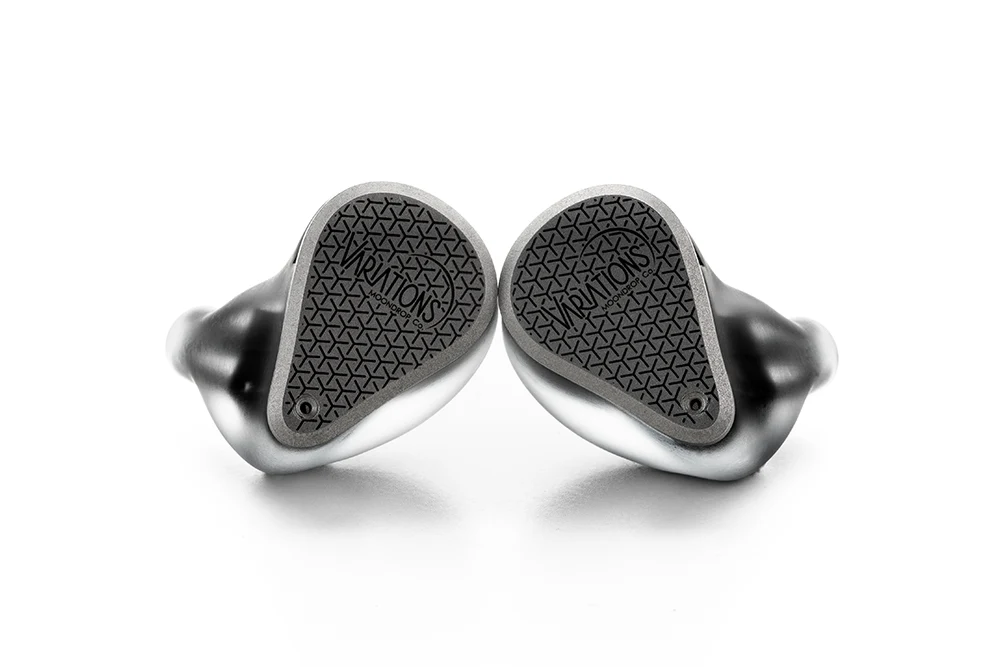
The obvious pick if you're after Harman tuning. I'd argue it can be even better than the target itself, thanks to tasteful modifications—namely less energy around 3–5kHz and superior upper-treble extension.

My recommendation for BIG bass with an otherwise fairly balanced midrange and treble. I genuinely think the Deuce invalidates a good portion of FatFreq's more expensive lineup.
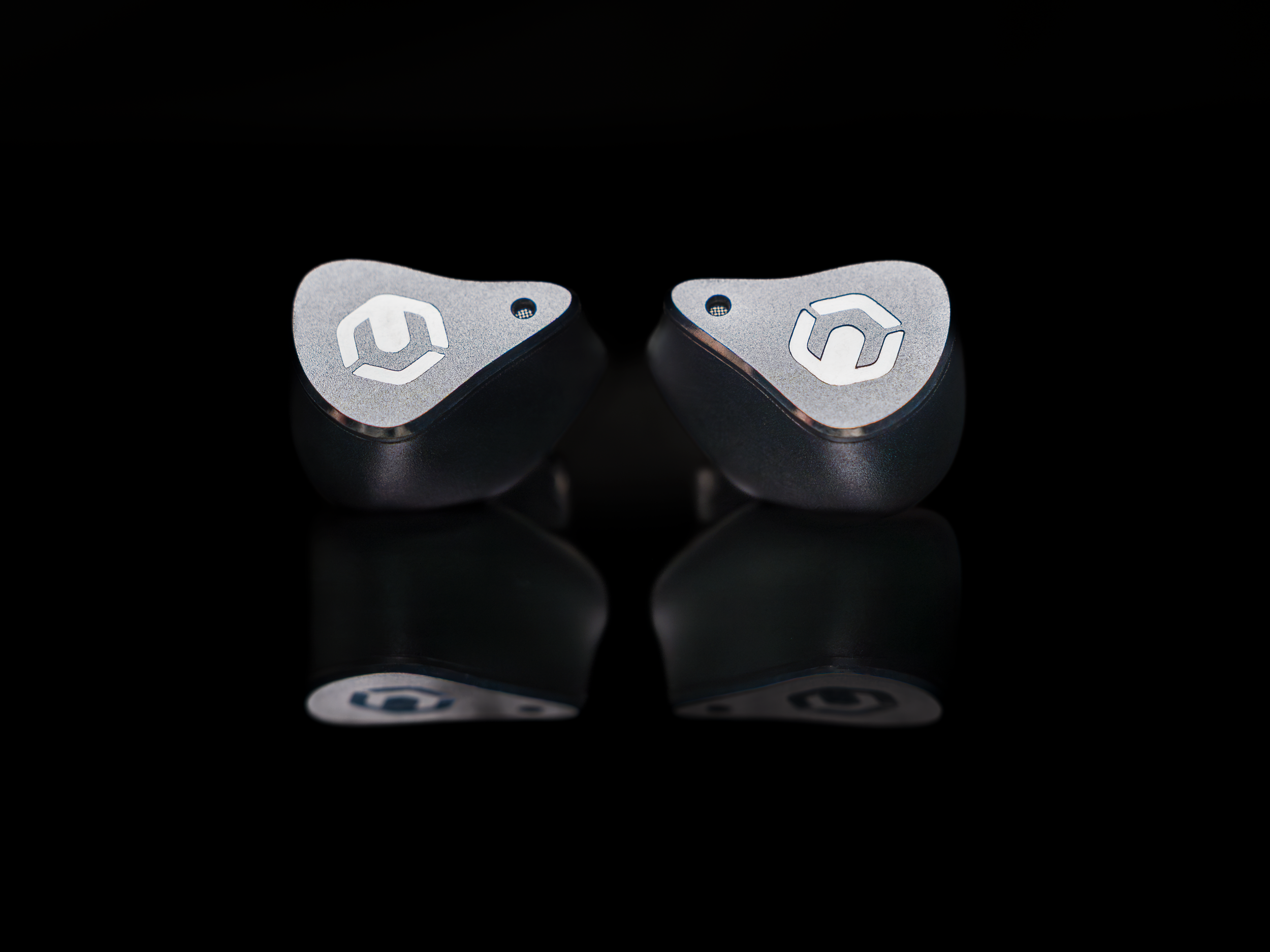
Honorable Mention: A solid option for neutral JM-1 tuning. Personally, I find it pretty boring, and I don't think it's as good as some people seem to think. I'd rather stretch my budget roughly threefold for the Prisma Audio Lumen. Still, if you approach the Reference primarily as a tool, it's a fair pick.
Many of these IEMs are older, and their place in the hierarchy hasn't changed dramatically to my ears even as cheaper alternatives have made huge strides. The gains here are increasingly marginal, which makes this bracket harder to recommend.
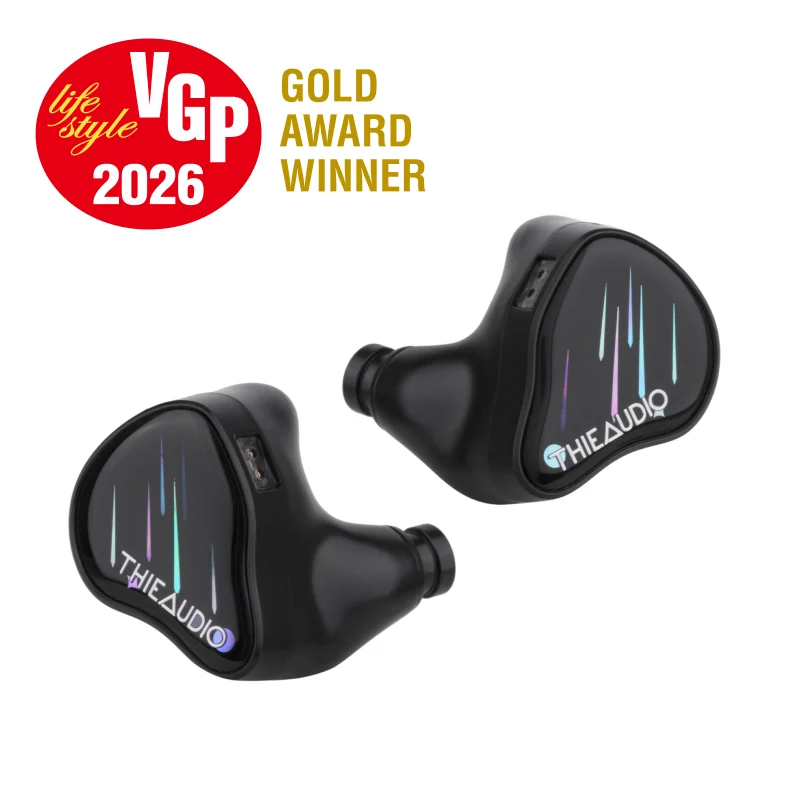
The Monarch remains one of the most solid IEMs around this price. It's clinical and slightly dry by default, but the integrated bass switch gives you useful flexibility and adds back some fun. Just be aware that it's a very large IEM.
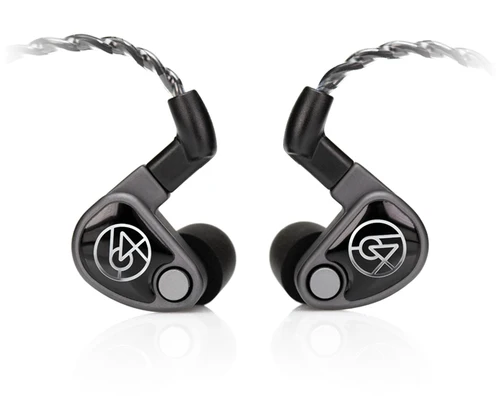
Highly underrated. This has one of the best midrange tunings I've heard if you're looking for soulful, almost velvety mids. Add spacious imaging, integrated venting via the Apex modules, and a relatively small shell, and you have a compelling package—especially used—despite the high MSRP.
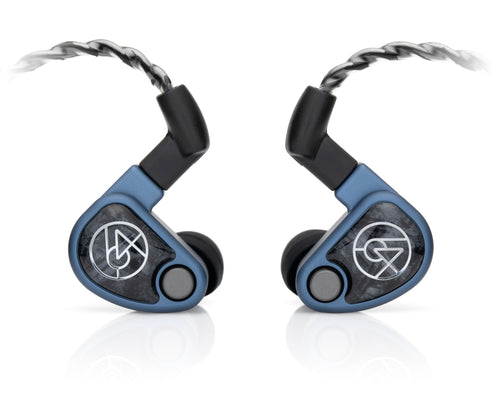
A versatile, well-rounded option with plenty of flexibility via the Apex modules. It's not on my radar as much these days, but it's still a decent introduction to the idea of colored clarity that's more predominant among flagship IEMs.
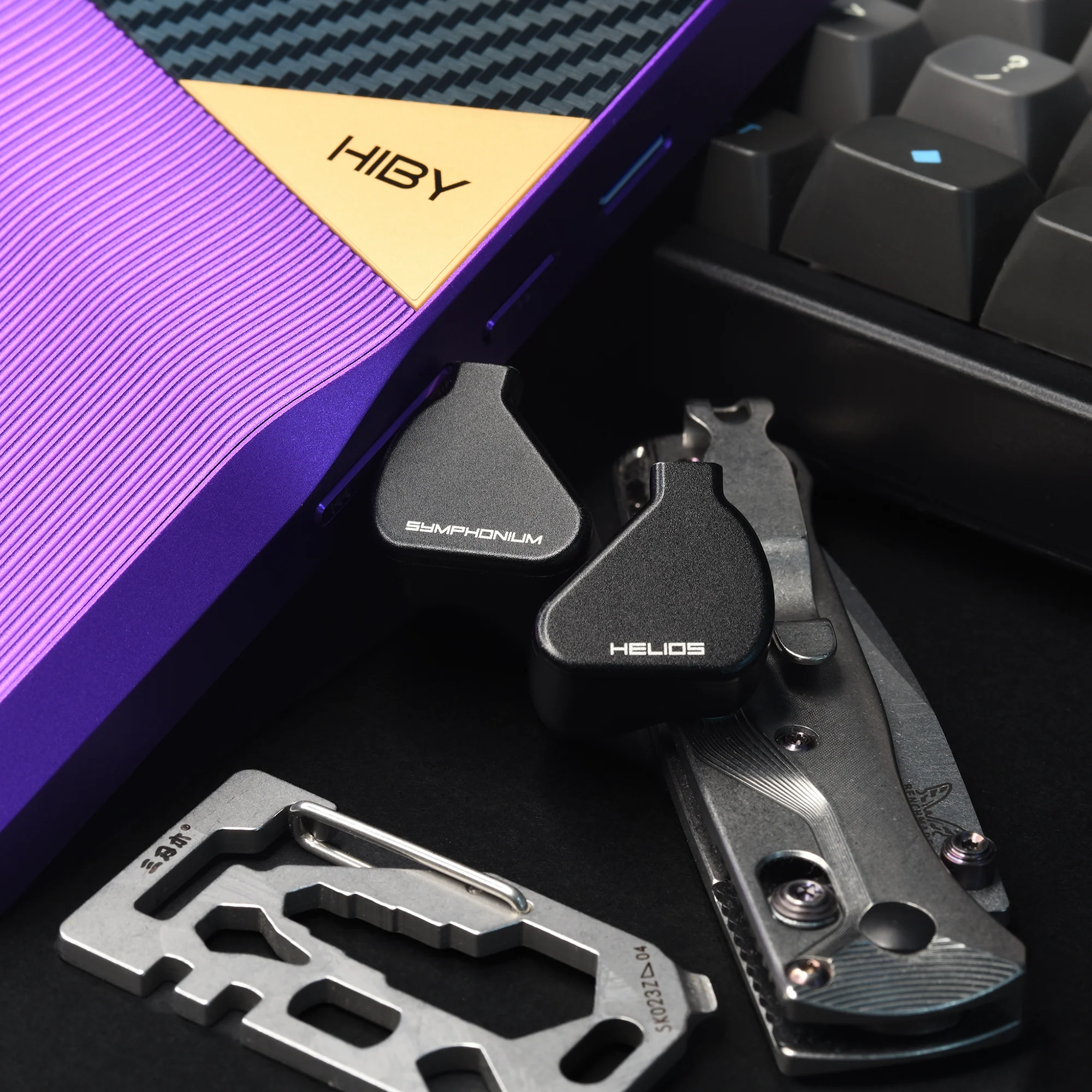
If you have monstrous ears—or you're simply a masochist—this remains a fantastic interpretation of neutral-with-sub-bass tuning. Its technical performance is exceptional, and it was ahead of its time by more than five years.
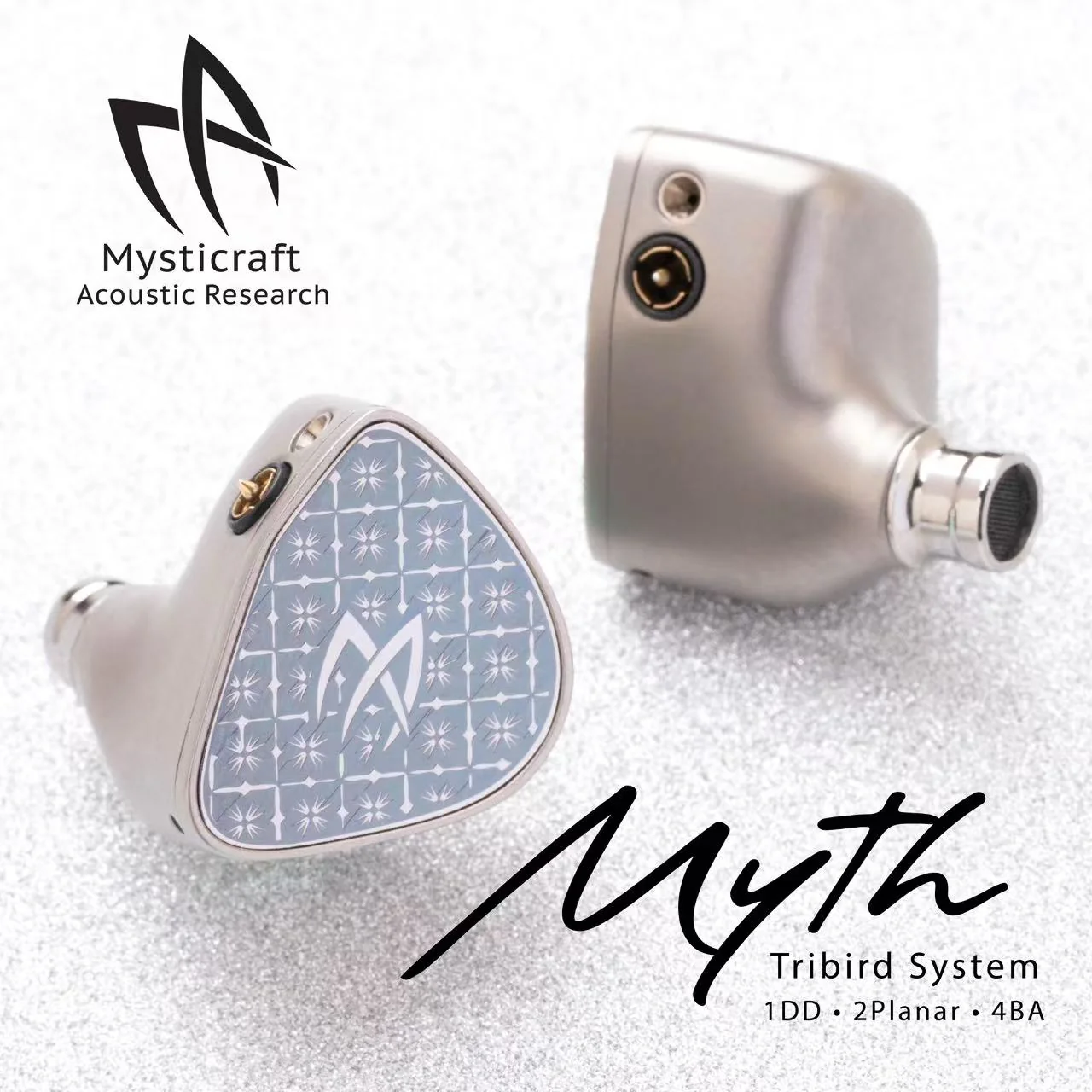
For listeners who want something that throws out the usual tuning playbook. Particularly notable for its bouncy, engaging bass and unusual midrange and treble presentation, which brings out details you wouldn't hear on conventionally tuned sets. It's large, but the titanium shells are a nice touch.
I'd put the Valhalla, Zenith, and Apostle 2026 on relatively even footing: all three get you roughly 90% of the way to the performance ceiling. The Valhalla offers a warm, grand, romantic presentation, while the Zenith is more expansive and technically precise. I personally listen to the Valhalla more for its warmth. I have less listening time on the Apostle 2026, but it seems equally competitive.
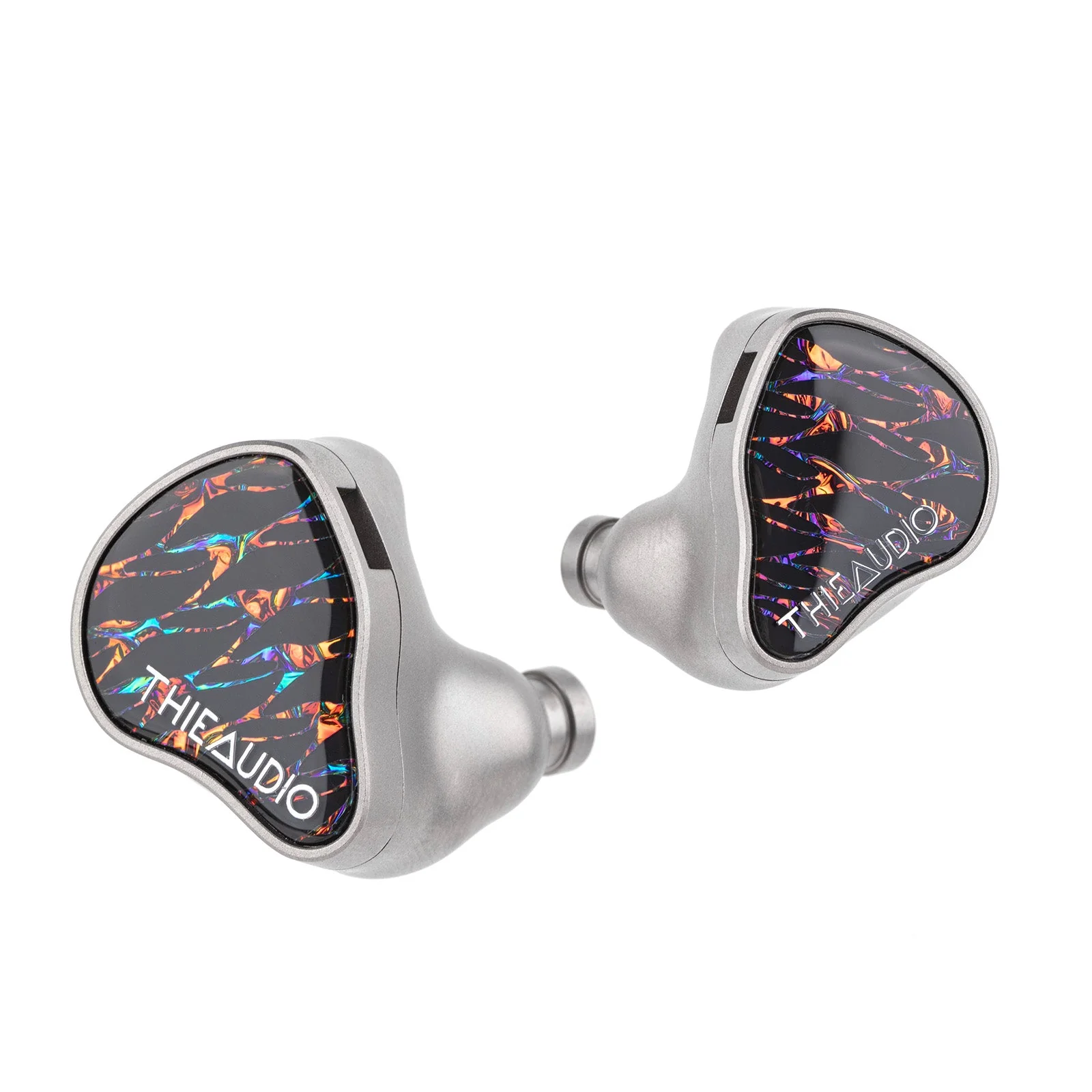
Grand and cavernous, the Valhalla makes music feel as though it occupies a distinct, intimate acoustic space. Its thicker lower-midrange and shimmering treble give everything a warm, slightly soft-focus, romantic quality. It's a little less technically precise than the Zenith, but I reach for the Valhalla more often because I prefer its warmer presentation.
The more expansive and technically precise counterpart to the Valhalla. Its soundstage reaches farther toward the extremes, with a darker, cleaner sense of space and a more focused, raw, authentic presentation. Where the Valhalla feels warm and soft-focus, the Zenith brings the picture sharply into view.

I haven't spent as much time with the Apostle 2026 as I have with the Valhalla or Zenith, but from what I've heard, it belongs on roughly equal footing with both.
These remain excellent choices if their specific tuning or presentation fits what you want.
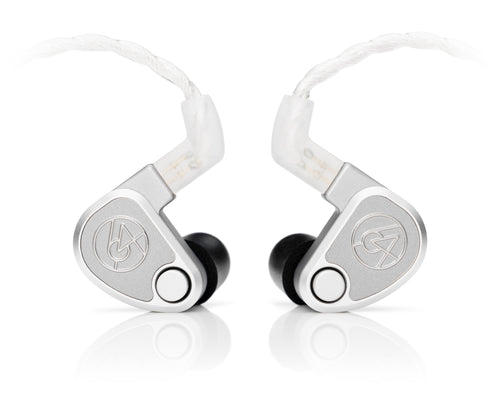
Still an extremely reliable choice around $2,000, though I'd personally buy used. The U12t is the more balanced option of the 64 Audio pair—but don't mistake that for strict neutrality. It's still distinctly U-shaped, with some shimmer at the very top.
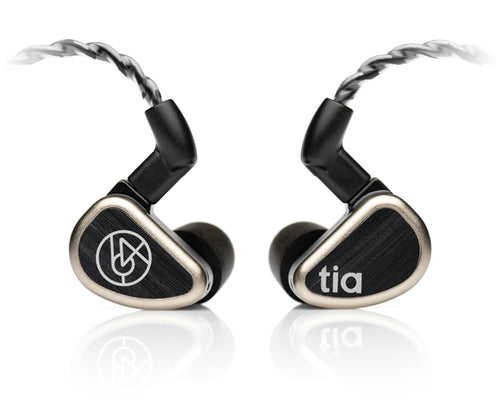
Still an extremely reliable choice around $2,000, especially used. Compared with the U12t, the Trio has richer, more dynamic bass and a more energetic signature that puts treble more in your face.
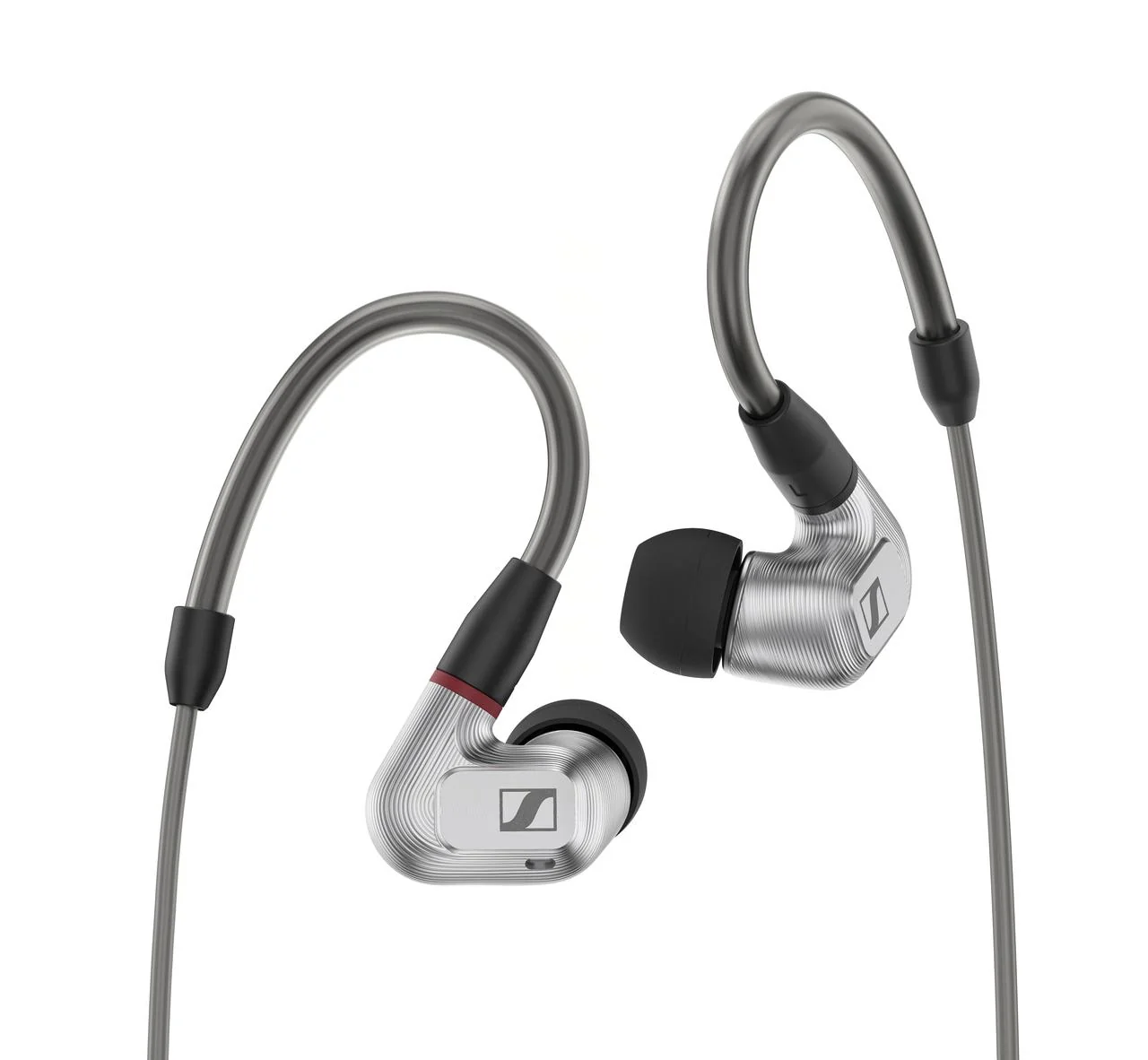
Sorry, the IE600 isn't making this list. The IE900 is significantly better for perceived technicalities in my opinion, and it's not particularly close if you're after top-tier bass. Avoid it, though, if you need forward, present female vocals: its 2–5kHz region is substantially recessed.
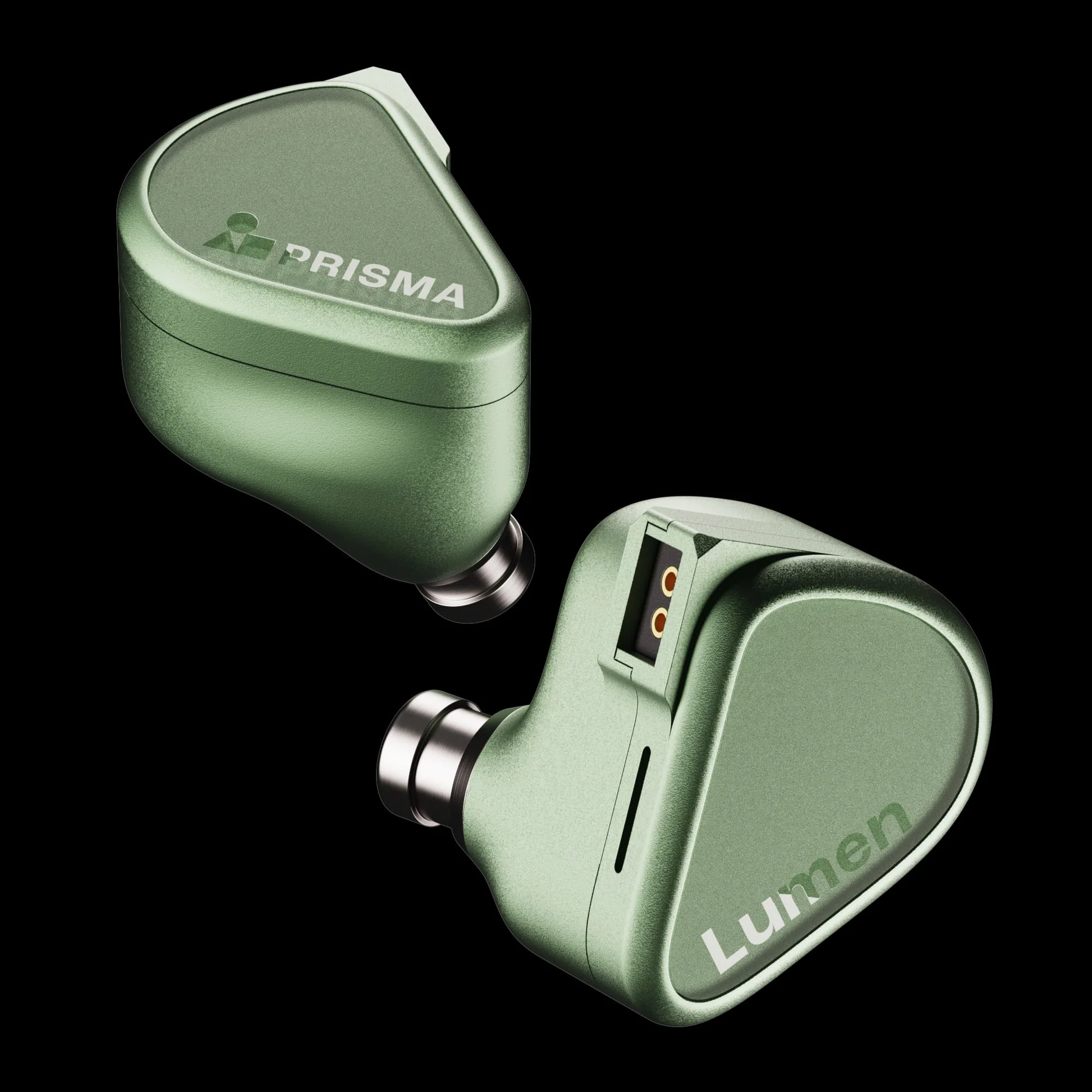
A fantastic rendition of neutral tuning with a touch of warmth, paired with excellent physical construction.
Okay, so you're a big baller. These are the IEMs I think are at the forefront of the IEM world. At this point, adherence to tuning conventions diverges even further, and you're mostly paying for unique sound signatures and subjective technical qualities.
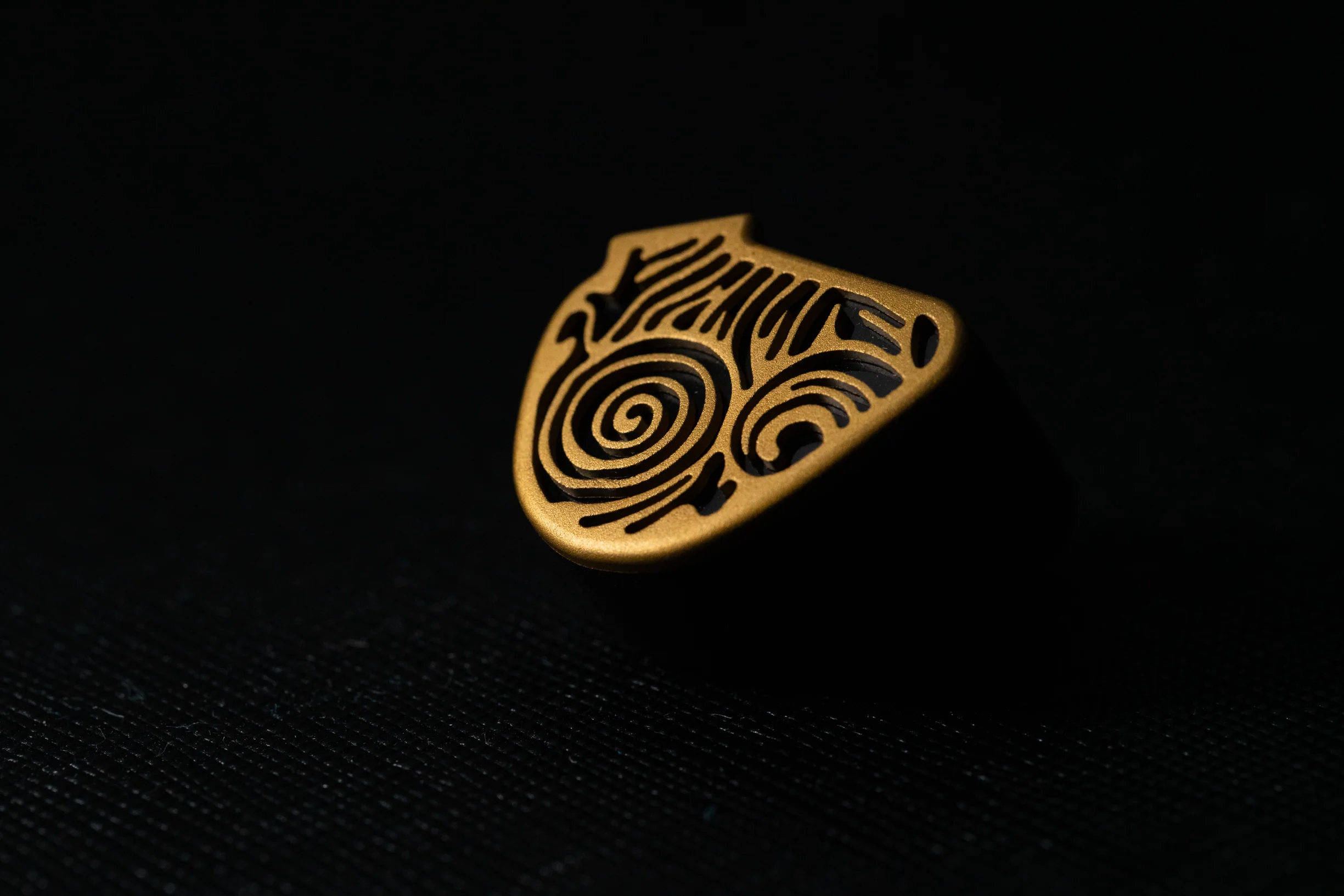
The king of colored clarity. Still the best implementation of this presentation I've heard, the Storm is exceptionally micro-detailed and highly sensitive to source pairing.
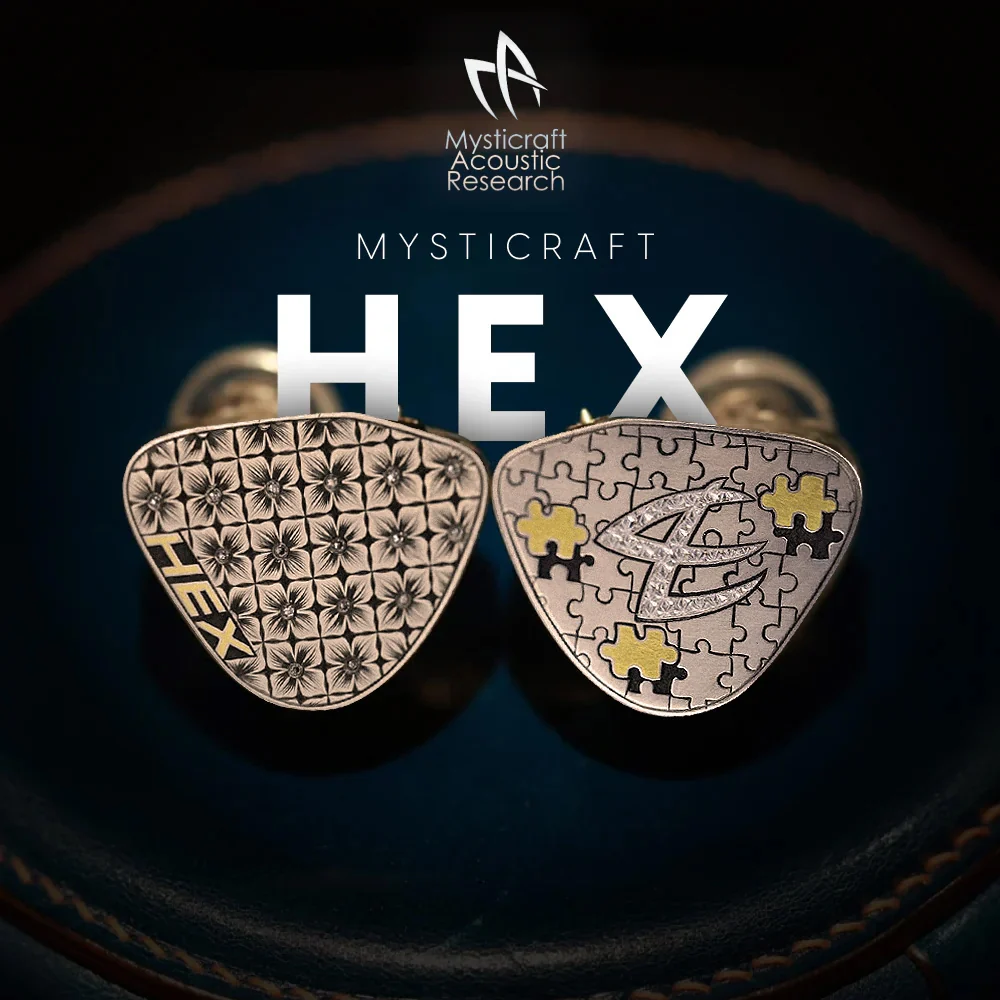
Want maximum wow and bling—from the sound to the faceplates to the price? Then this is the IEM. I put it a step behind the Subtonic Storm for raw micro-detail and tuning execution, but it has a more spacious presentation and more exciting bass.
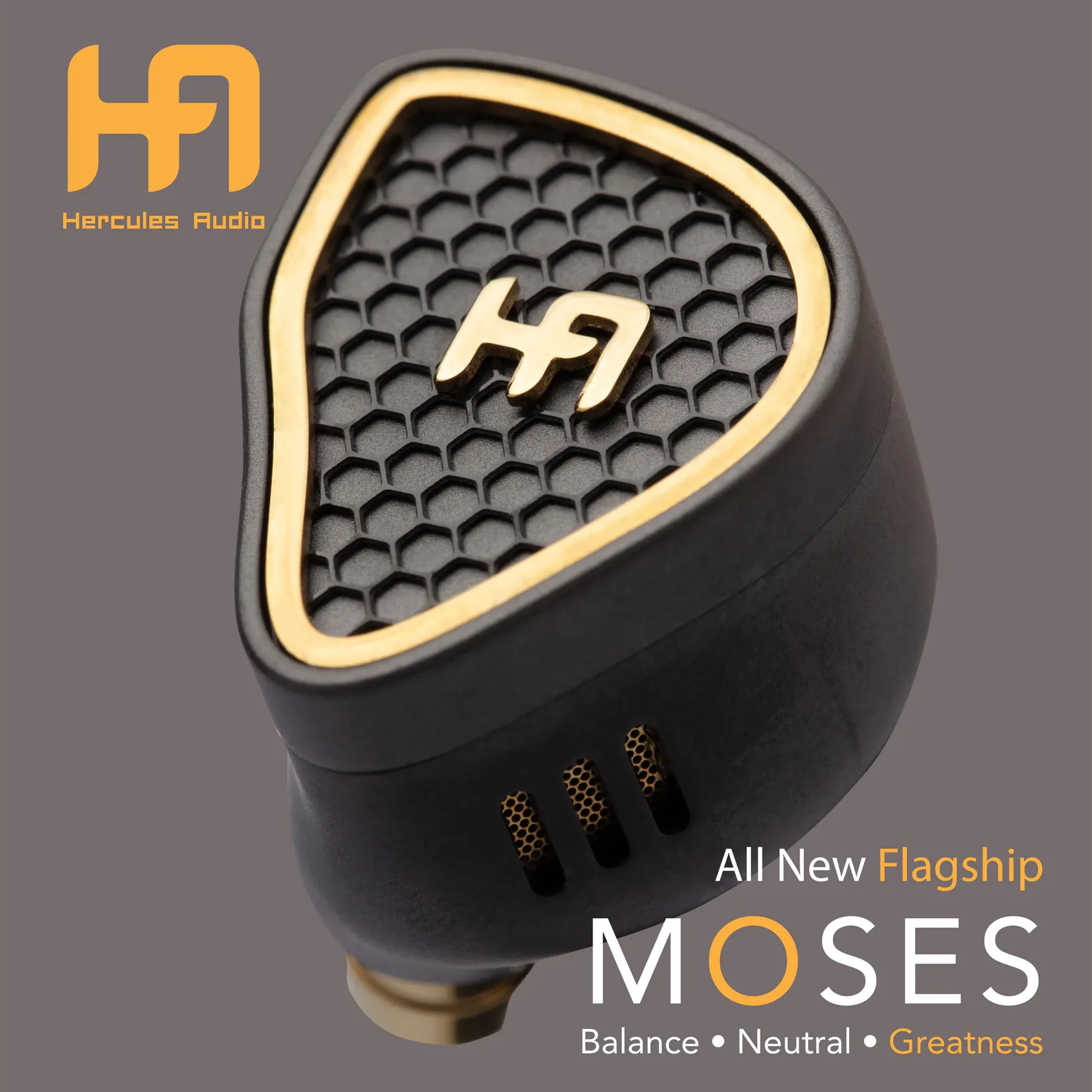
The Elysian Annihilator 2023 isn't on this list because you can't purchase it anymore. The Moses is the best alternative: an incredibly holographic presentation with a slightly warmer, more forgiving spin on the same engaging, W-shaped flavor. Did I mention the titanium shells?
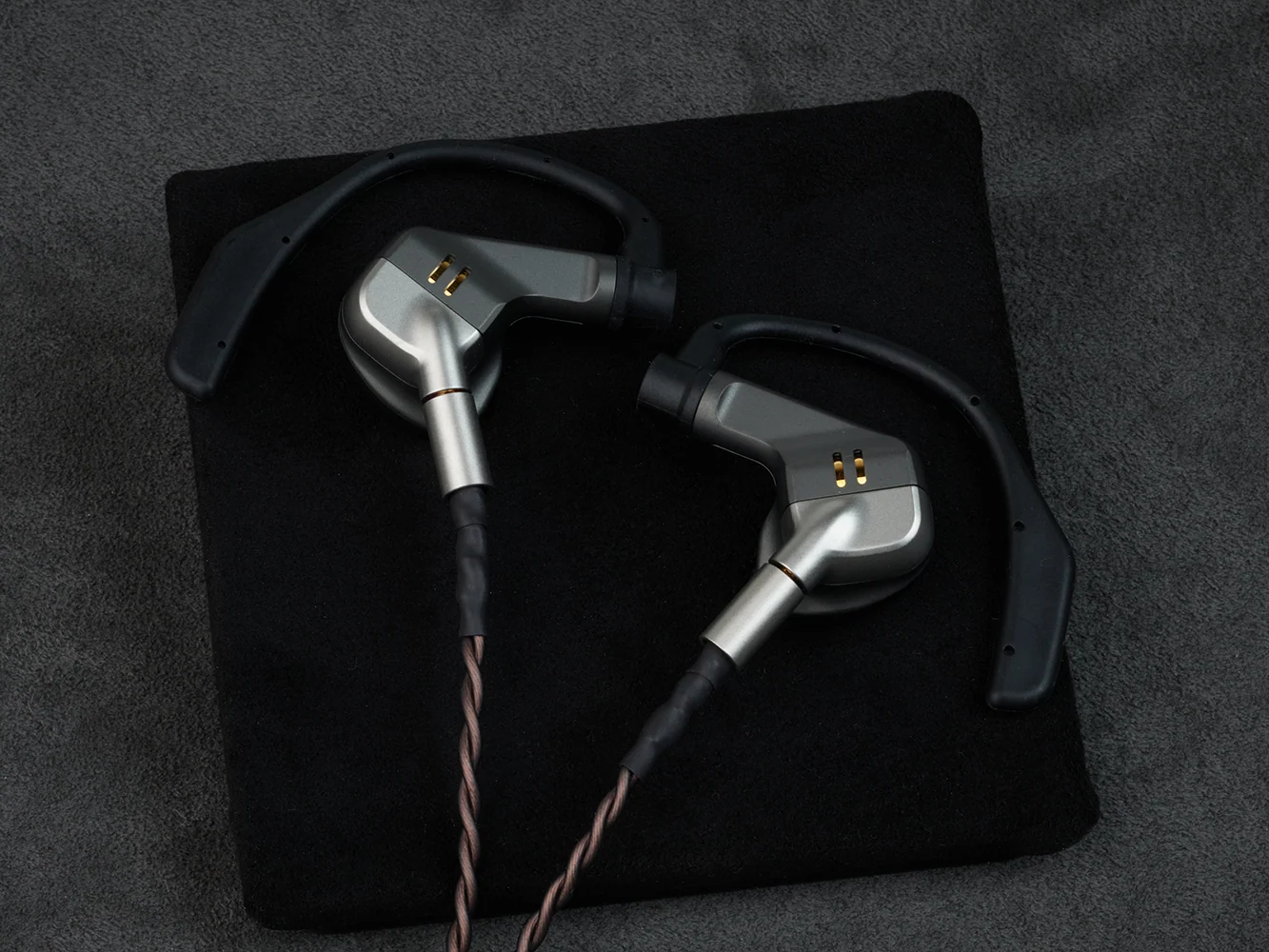
Why buy the Fugaku when the Ibuki costs less than half as much and avoids the impractical amplifier? This is still a $6,400 IEM, and most people probably shouldn't buy it. But it delivers top-tier bass that's perhaps just a smidge behind the Fugaku for dynamism. The Ibuki's bass is darker and more resonant, with a more controlled treble presentation.
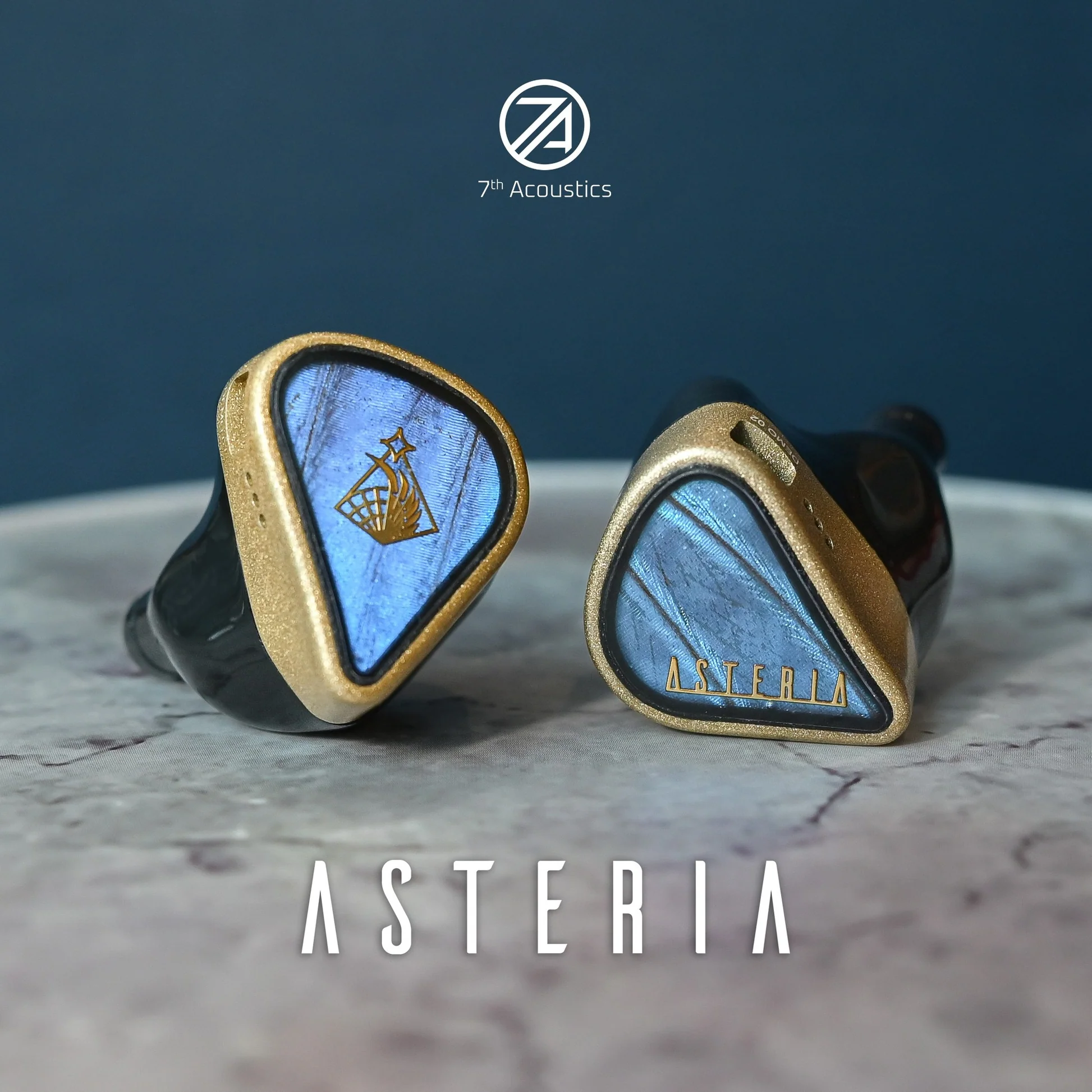
Exceptional tuning—the closest thing to a tonal panacea I've heard—with fantastic extension at both ends. I prefer it to the similarly positioned Canpur CP622B. The Canpur is more neutral, which some may prefer, but I like more excitement, and the Asteria's 7075 aluminum build feels significantly more premium than the CP622B's plastic.
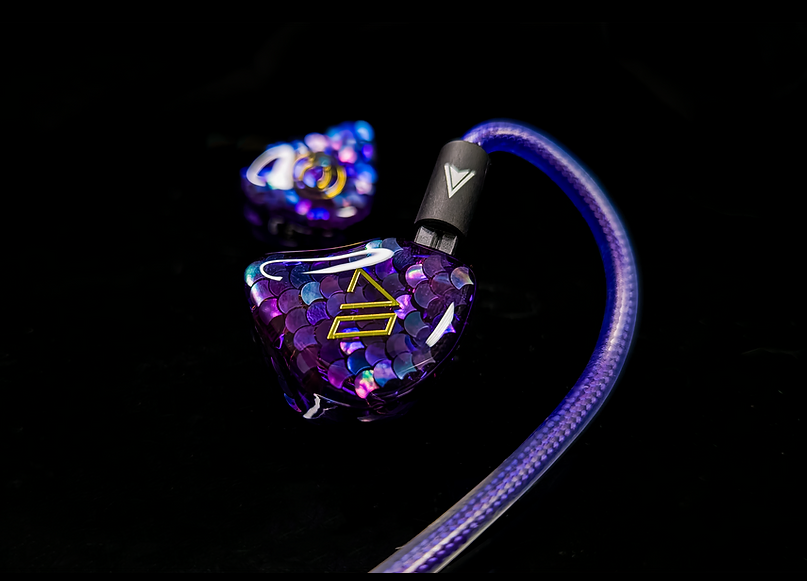
An excellent basshead IEM with flexible tuning switches. It generally has a substantial sub-bass emphasis below 300Hz, offset by an aggressive upper-midrange tilt. It shines with female vocals and modern pop music, and reminds me of the now-discontinued Elysian Diva.
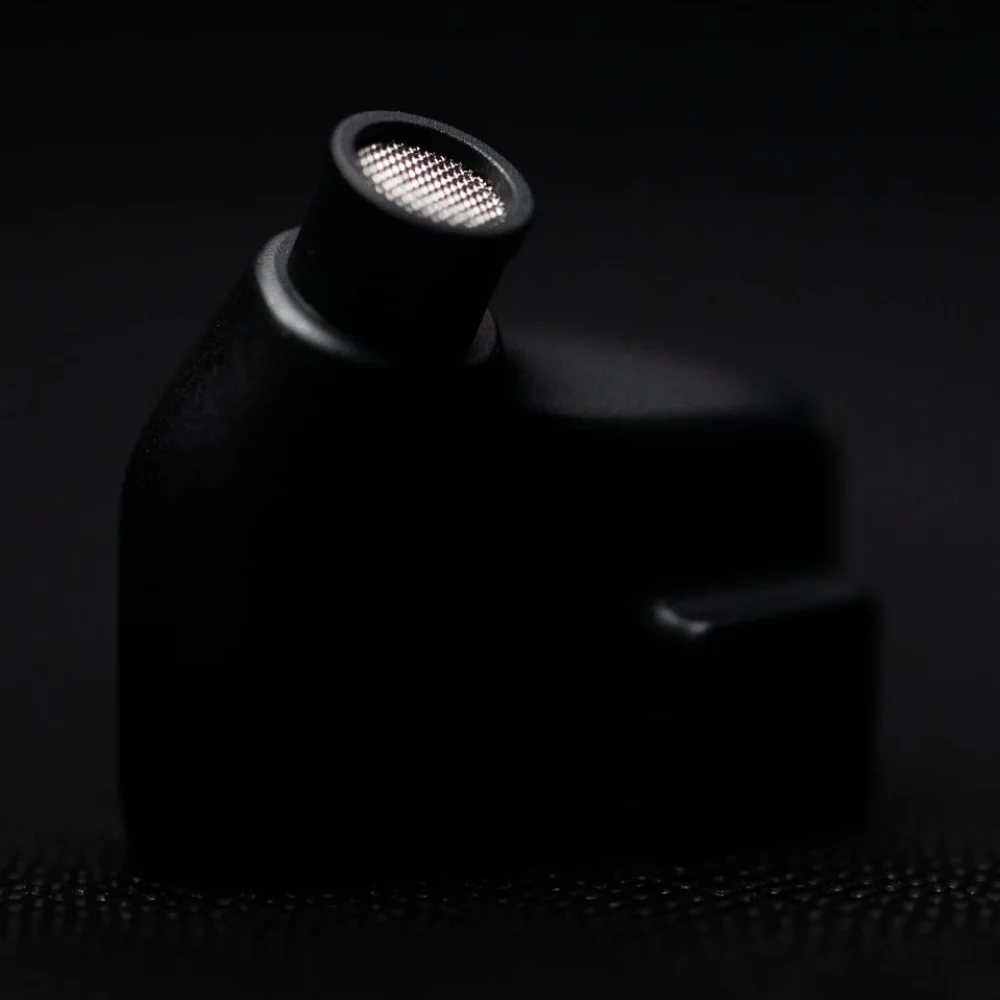
Honorable mention for bass. The Duality has even more bass than the Omega Omega, with an enveloping quality that I haven't heard matched elsewhere. It also has a switch for a more balanced presentation, but I find it more genre-dependent and picky about sources overall.
A final note: These are my personal recommendations based on listening experience, not necessarily the highest-scoring IEMs on my ranking list. Different sound signatures appeal to different listeners, and a technically superior IEM isn’t automatically the better purchase.
For full rankings and secondary-market pricing data, check out Precog’s Rankings and the IEM Market Tracker.
Product links lead to manufacturer pages wherever available. Some lead to established retailers or distributors where a direct manufacturer page could not be verified. Tracker links open the matching IEM’s used-market pricing page when one is available.